meta_title: CCTV and DVR Forensics: Recovering and Authenticating Surveillance Video Evidence | Digital Forensics Today
meta_description: CCTV and DVR forensics: how investigators extract, authenticate, and present surveillance video from DVRs and NVRs in legal proceedings. Timestamp analysis and proprietary format conversion.
slug: cctv-dvr-forensics
primary_keyword: CCTV DVR forensics
secondary_keywords: surveillance video evidence extraction, DVR hard drive forensics, CCTV timestamp analysis
CCTV and DVR Forensics: Recovering and Authenticating Surveillance Video Evidence
Surveillance video is among the most persuasive evidence in legal proceedings. Jurors understand video intuitively, and a clear recording of an incident is often case-decisive. The challenge is that CCTV and DVR systems are not designed with forensic requirements in mind — they use proprietary formats, are subject to overwriting cycles, and require specialized expertise to extract and authenticate properly.
How DVR and NVR Systems Store Video
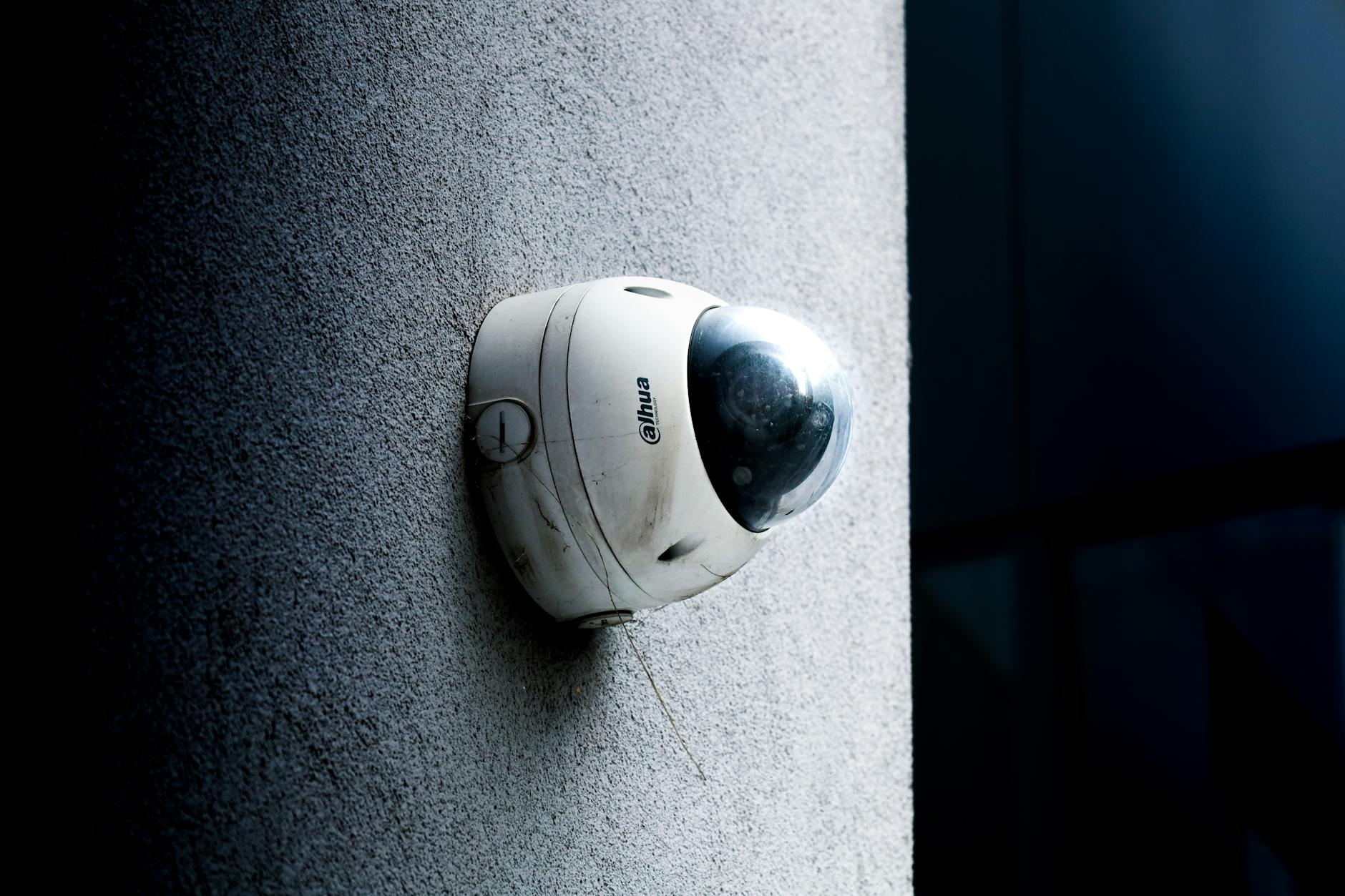
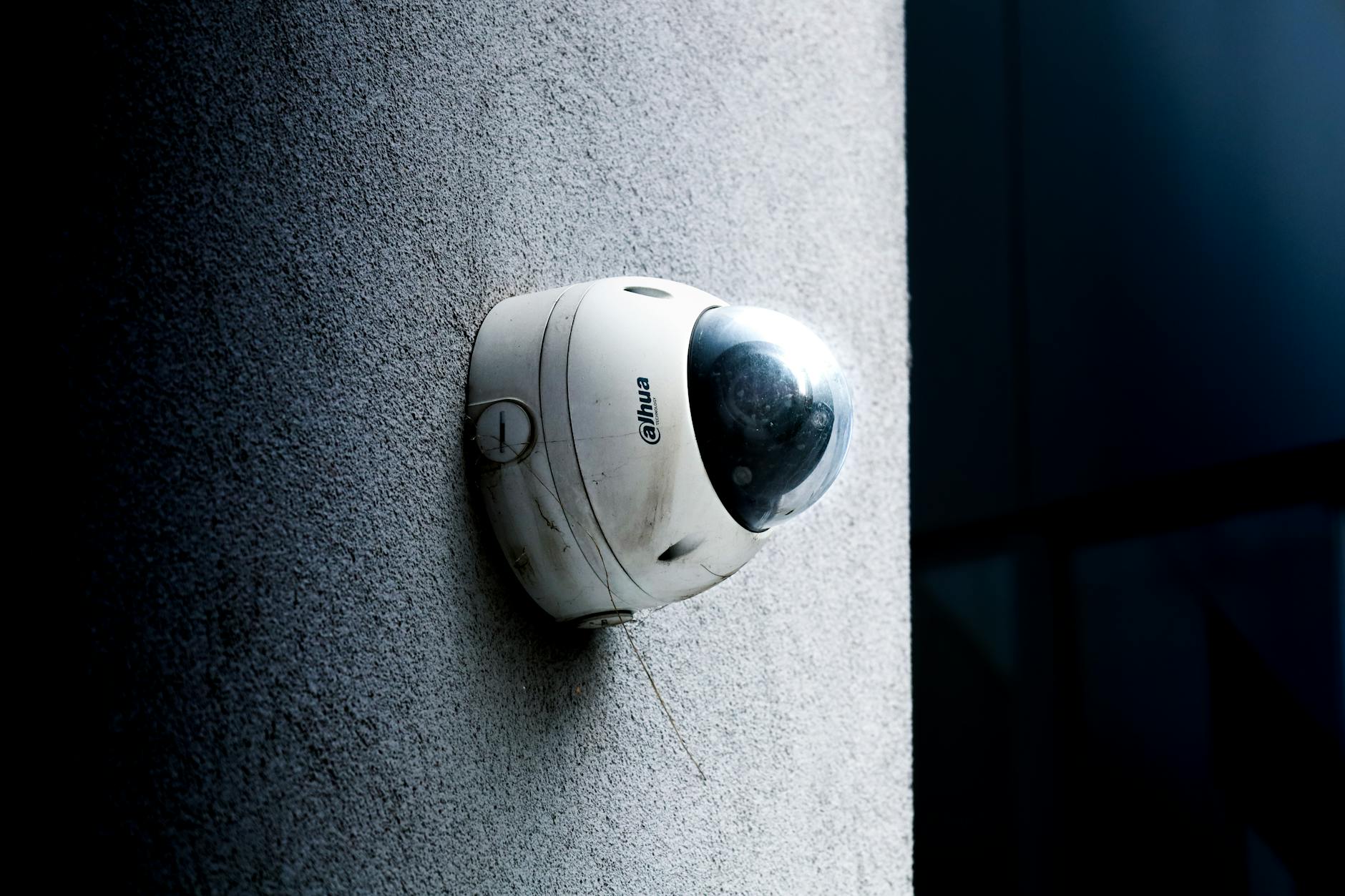
DVR (Digital Video Recorder) systems are closed systems that convert analog camera signals to digital video, store recordings to an internal hard drive, and overwrite the oldest footage when storage is full. Most consumer and small business DVRs have 7-30 day retention cycles depending on the number of cameras, resolution, and drive capacity.
NVR (Network Video Recorder) systems work with IP cameras that encode video at the camera and transmit it over a network to the recorder. NVRs typically offer higher resolution and more flexible storage configurations.
Both use internal hard drives — typically standard SATA drives — that can be forensically imaged.
Forensic Extraction Methods
Method 1: Official Export (Preferred)
Most DVR/NVR systems include a built-in export function via USB drive, DVD, or network share. This is the least invasive method and should be attempted first. Document the export process with photographs of the DVR display and the exported file properties.
Limitation: Proprietary players are often required. Many DVR manufacturers bundle a proprietary player with the exported files because the video is encoded in a non-standard format.
Method 2: Hard Drive Removal and Imaging
When the official export function is unavailable (damaged DVR, malfunctioning firmware, very old system) or produces incomplete results, removing the hard drive and imaging it forensically is the next step.
DVR hard drives use standard SATA interfaces in most cases. After write-blocking, the drive is imaged using FTK Imager or `dd`. The resulting image contains the proprietary file system used by the DVR manufacturer.
Method 3: File Carving from DVR Images
DVR file systems are often not readable by standard forensic tools because the manufacturer uses proprietary container formats. File carving based on video file headers (MPEG-4, H.264 stream signatures) can extract individual recording segments even when the file system structure is not parsable.
Specialized tools like DVR Examiner (by DME Forensics) and commercial forensic platforms with DVR modules are the industry standard for this work.
Timestamp Forensics: The Critical Vulnerability
Surveillance video timestamps are frequently incorrect — and this matters enormously in legal proceedings. DVR clocks drift, are set incorrectly at installation, and are rarely synchronized with an authoritative time source.
Timestamp verification requires:
1. Comparing the DVR clock to a reference at the time of extraction — document what time the DVR displayed when the examiner accessed it
2. Comparing DVR time to wall clock time — photograph the DVR display alongside a clock showing verified current time
3. Checking for time zone configuration errors — a DVR set to UTC in a Pacific timezone shows video 7-8 hours ahead of local time
4. Reviewing time-of-day lighting — dawn and dusk times can corroborate or contradict the displayed timestamp for outdoor cameras
Failing to establish timestamp accuracy is one of the most common errors in surveillance evidence presentation. Defense counsel will attack unsupported timestamps.
Proprietary Format Conversion
DVR manufacturers use dozens of proprietary video formats to lock customers into their playback software. In court, playing proprietary video requires the manufacturer’s player software — which may be unavailable, outdated, or platform-incompatible.
Forensic conversion to standard formats (H.264/MP4) must be performed without compromising the evidentiary integrity of the footage:
The original proprietary file must be preserved — do not overwrite or delete it after conversion.
Video Authentication
In an era of deepfake technology, video authentication is increasingly important. Authentic DVR recordings contain:
Forensic video authentication examines these technical characteristics. A manipulated video is unlikely to perfectly replicate all of these characteristics.
FAQ
Can deleted surveillance footage be recovered from a DVR?
Yes, in many cases. DVRs overwrite storage in a loop, but recently overwritten sectors may still contain recoverable video data. The recovery window depends on how much new footage has been recorded since the deletion. Immediate action is critical — every hour of new recording reduces the recovery probability.
What if the suspect owns the DVR and claims footage doesn’t exist?
If the DVR drive is imaged forensically, deleted and overwritten footage may still be partially recoverable. Additionally, if the system was connected to a cloud recording service, cloud records may contain footage the local DVR has overwritten. Finally, neighboring properties or public cameras may have captured the relevant area.
Are cell phone video recordings different from DVR forensics?
Cell phone videos require different examination techniques — they are typically standard MP4 files with EXIF metadata. The forensic focus is on EXIF timestamp analysis, GPS data embedded in the file, and hash verification. The authentication and conversion challenges are less severe than with proprietary DVR formats.
Surveillance video extraction and authentication for your case?
Octo Digital Forensics performs DVR forensic imaging, proprietary format conversion, timestamp analysis, and video authentication with court-ready documentation. Expert witness testimony available.
Visit [octodigitalforensics.com](https://octodigitalforensics.com).
See also: Nft Fraud Forensics | Tiktok Forensics | Employment Investigation Forensics
Need Professional Digital Forensics?
Octo Digital Forensics provides expert mobile forensics, data recovery, and digital investigation services for attorneys, insurance companies, and private investigators. Court-admissible reports. Certified examiners.
Contact: octodf.com | info@derickdowns.com | (858) 692-3306