meta_title: Instagram DM Forensics: Recovering Direct Messages as Evidence | Digital Forensics Today
meta_description: Instagram DM forensics: how investigators recover Instagram direct messages from devices and through Meta legal process. What’s retained, what’s deleted, what’s admissible.
slug: instagram-dm-forensics
primary_keyword: Instagram DM forensics
secondary_keywords: Instagram direct message recovery, Instagram evidence, Instagram legal process
Instagram DM Forensics: Recovering Direct Messages as Evidence
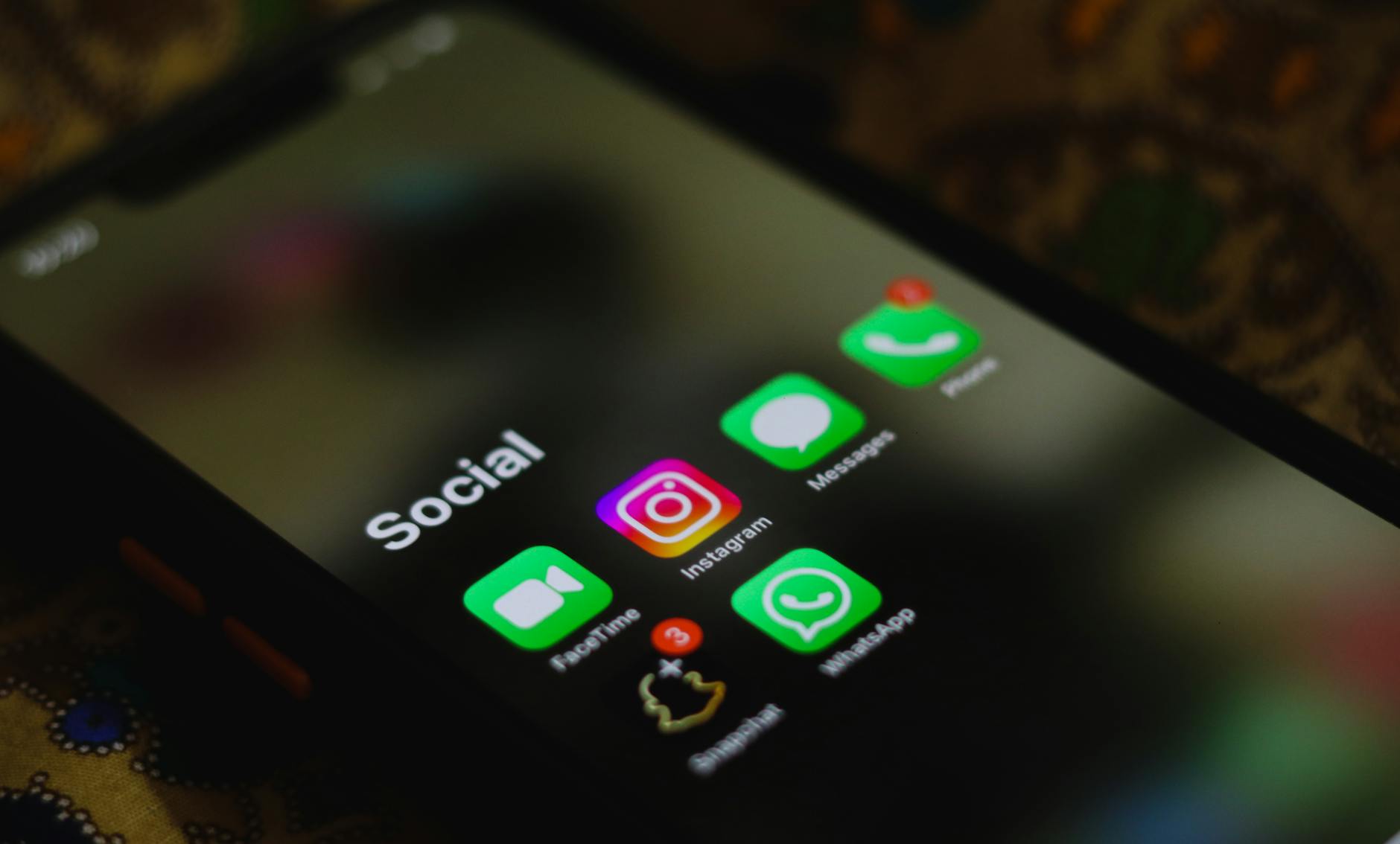
Instagram direct messages appear in civil litigation more often than most attorneys expect — harassment cases, business disputes, influencer contract breaches, and family law matters all generate Instagram DM evidence. Recovering that evidence requires understanding where Instagram stores messages and what Meta’s legal process produces.
Where Instagram Stores DM Data
Instagram DMs are stored on Meta’s servers and synced to the device. Like Facebook Messenger, standard Instagram conversations are not end-to-end encrypted by default (though Meta has been rolling out E2E encryption for Instagram DMs in stages since 2023).
On the device, Instagram maintains a local cache that includes:
The primary Instagram database on Android is located in the app’s internal storage. On iOS, it is accessible through full-filesystem extraction.
What Forensic Tools Extract From Instagram
Cellebrite UFED and Magnet AXIOM have Instagram artifact parsers that can extract:
The volume of recoverable data depends heavily on how recently the app was actively used and whether the device has been used to sync other accounts since the examination date.
Recovering Deleted Instagram DMs
Instagram’s “Unsend” feature removes messages for both parties. Server-side, Meta removes these messages after a short retention window. Device-side, the situation is more favorable for investigators:
1. The local cache may retain the message text if it was received and cached before the unsend
2. Notification records (stored in the iOS notification database or Android notification history) may show the message text as it appeared in the push notification
3. SQLite carving may recover the deleted database record if storage pages haven’t been reused
The notification database is one of the most underutilized sources in Instagram DM recovery. On iOS, the `SpringBoard` notification database retains alert content — including Instagram DM previews — for weeks after the message itself has been deleted.
Meta Legal Process for Instagram Records
Through valid legal process, Meta can produce Instagram records including:
Instagram’s E2E encryption rollout is ongoing. For conversations that have been migrated to E2E encryption, Meta cannot produce message content — device extraction becomes the only option.
Instagram as Identity Evidence
Even when DM content is not recoverable, Instagram metadata provides useful attribution evidence:
This attribution chain is often sufficient to connect an anonymous Instagram account to a real person.
FAQ
Can Instagram recover unsent messages for law enforcement?
Meta can attempt recovery of unsent messages during their brief server-side retention window, but this window is short. For civil matters where a preservation letter has not been sent promptly, device extraction is more reliable than waiting for legal process.
What if the Instagram account is under a fake name?
Instagram requires a valid email or phone number for registration. Those registration credentials, combined with login IP records, typically enable identification of the person behind an anonymous account through subpoenas to the email provider or phone carrier.
Are Instagram voice and video calls logged?
Instagram logs call metadata (who called whom and when) even for calls that are end-to-end encrypted. Call content is not retained. This metadata is available through legal process and can appear in device extractions.
Instagram DM evidence for harassment, business disputes, or family law?
Octo Digital Forensics extracts and authenticates Instagram evidence for use in legal proceedings. Court-ready reports, Cellebrite-certified examiners, expert witness support.
Contact us at [octodigitalforensics.com](https://octodigitalforensics.com).
See also: Nft Fraud Forensics | Tiktok Forensics | Employment Investigation Forensics
Need Professional Digital Forensics?
Octo Digital Forensics provides expert mobile forensics, data recovery, and digital investigation services for attorneys, insurance companies, and private investigators. Court-admissible reports. Certified examiners.
Contact: octodf.com | info@derickdowns.com | (858) 692-3306