meta_title: Smart Home Forensics: Evidence From Connected Home Devices in Legal Cases | Digital Forensics Today
meta_description: Smart home forensics: how investigators extract evidence from smart locks, thermostats, cameras, and home automation systems to establish timelines and prove presence in legal proceedings.
slug: smart-home-forensics
primary_keyword: smart home forensics
secondary_keywords: smart home digital evidence, connected home investigation, smart lock forensics
Smart Home Forensics: Evidence From Connected Home Devices in Legal Cases
Smart homes are networked evidence systems that few homeowners think about forensically. Every smart lock, thermostat, security camera, motion sensor, and voice assistant generates timestamped event logs that can establish who was in a home, when they were there, and what they were doing. In domestic disputes, homicide investigations, insurance claims, and civil litigation, smart home evidence has proven to be some of the most reliable and difficult-to-fabricate digital evidence available.
The Smart Home Evidence Ecosystem
A fully configured smart home can generate evidence from:
Smart Locks
Smart locks record every lock and unlock event with timestamp and method (key fob, app, PIN code, biometric, auto-lock). More importantly, they record who performed the action — each authorized user has a unique credential, and the lock’s log distinguishes between auto-lock, user-initiated lock, and lock overrides.
Brands with cloud logging: August, Schlage Encode, Yale, Kwikset Halo, Level Lock. Legal process to these manufacturers yields the complete access history for the lock.
Smart Thermostats
Nest, Ecobee, and similar thermostats learn occupancy patterns and record when they detected people in the home. Their occupancy and temperature logs are timestamped and stored in the cloud. A thermostat showing no occupancy during a period when the defendant claims they were home is a powerful evidentiary conflict.
Smart Lighting
App-controlled or voice-controlled lighting systems (Philips Hue, Lutron Caseta, LIFX) log every light on/off event with timestamp. Lighting patterns in a home can establish when someone was present and moving through the space.
Motion Sensors
Standalone motion sensors (SmartThings, Aqara) and built-in motion detection in smart cameras record motion events with timestamps. Motion sensor data has been used to establish occupancy timelines with precision comparable to security camera footage.
Smart Speakers
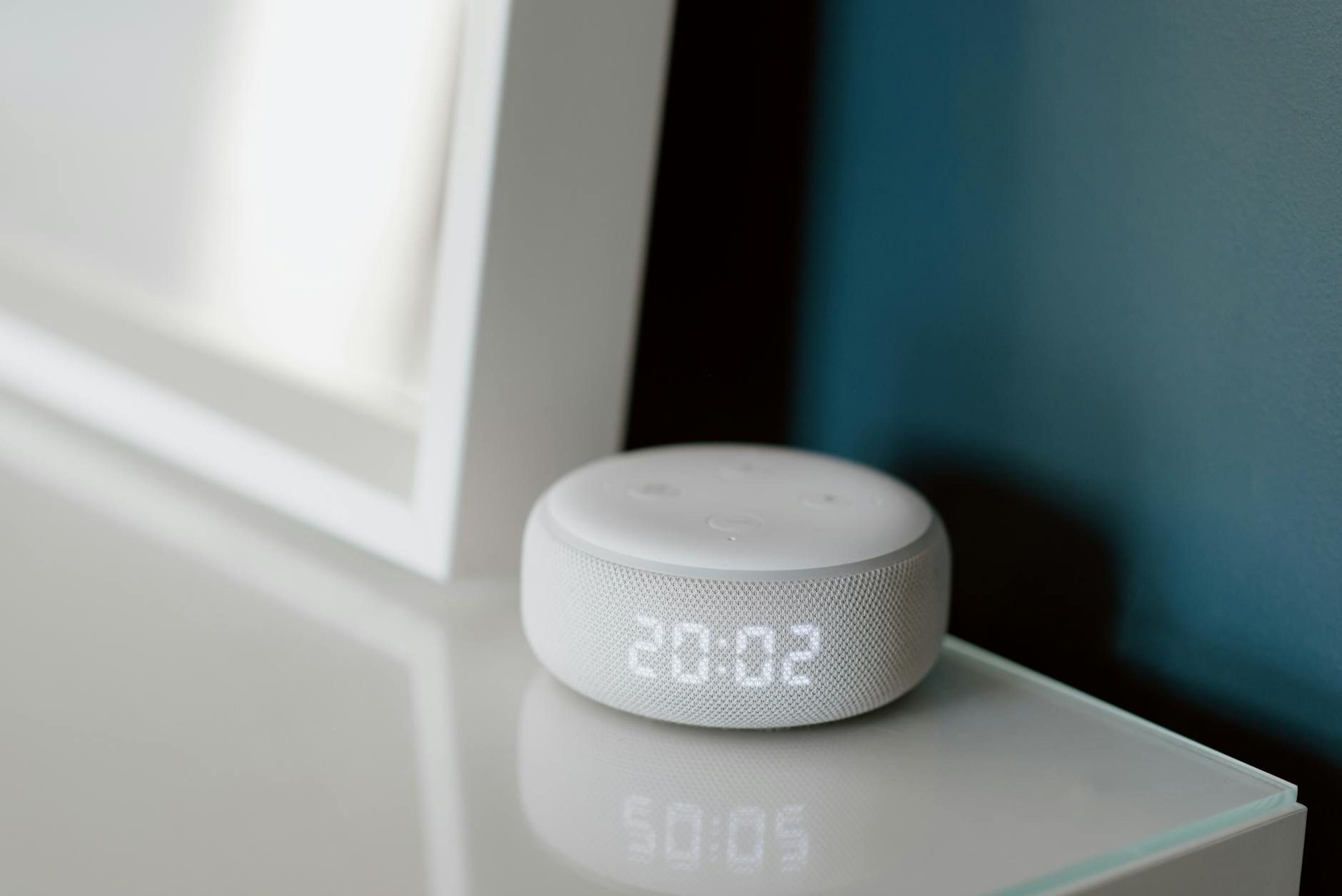
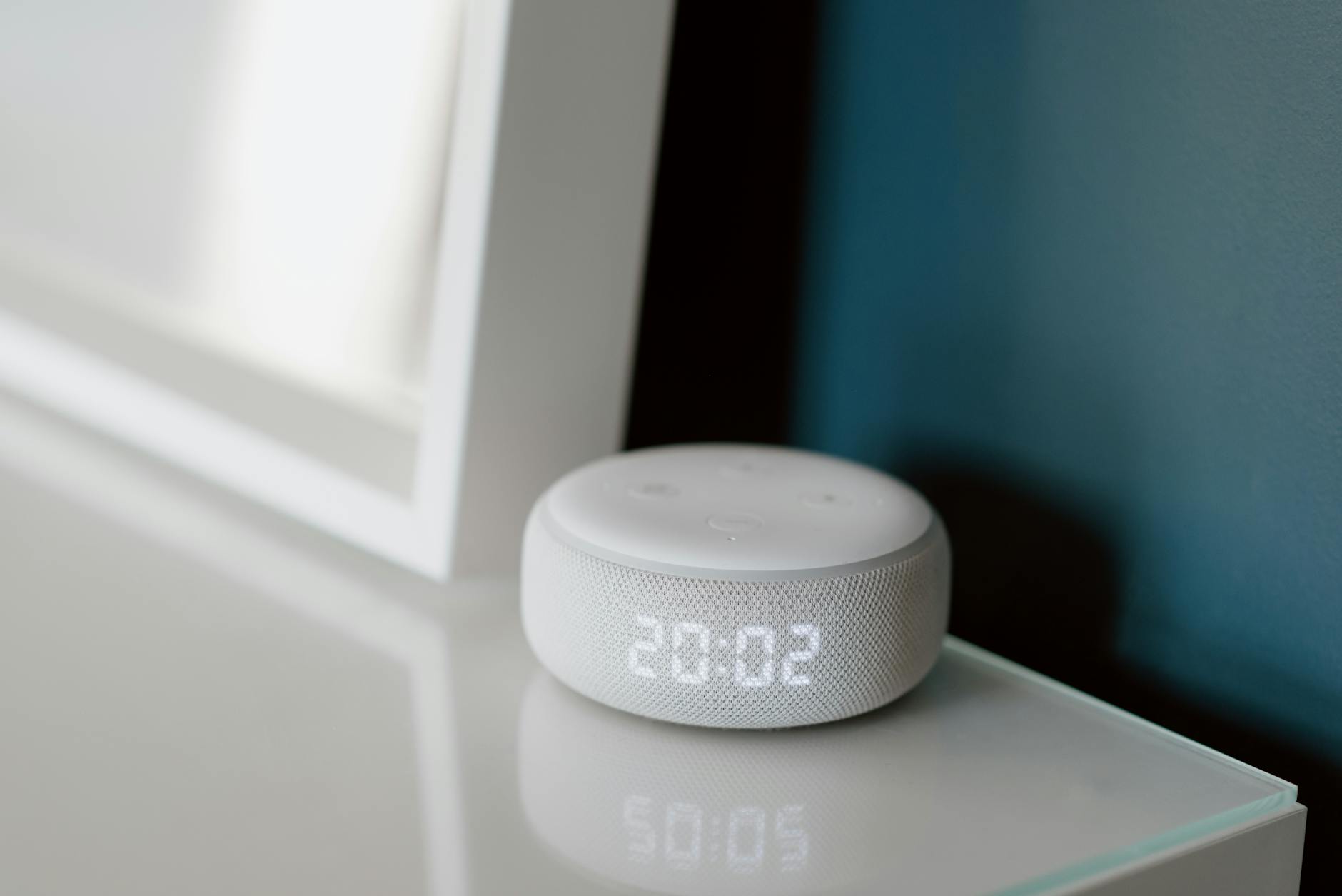
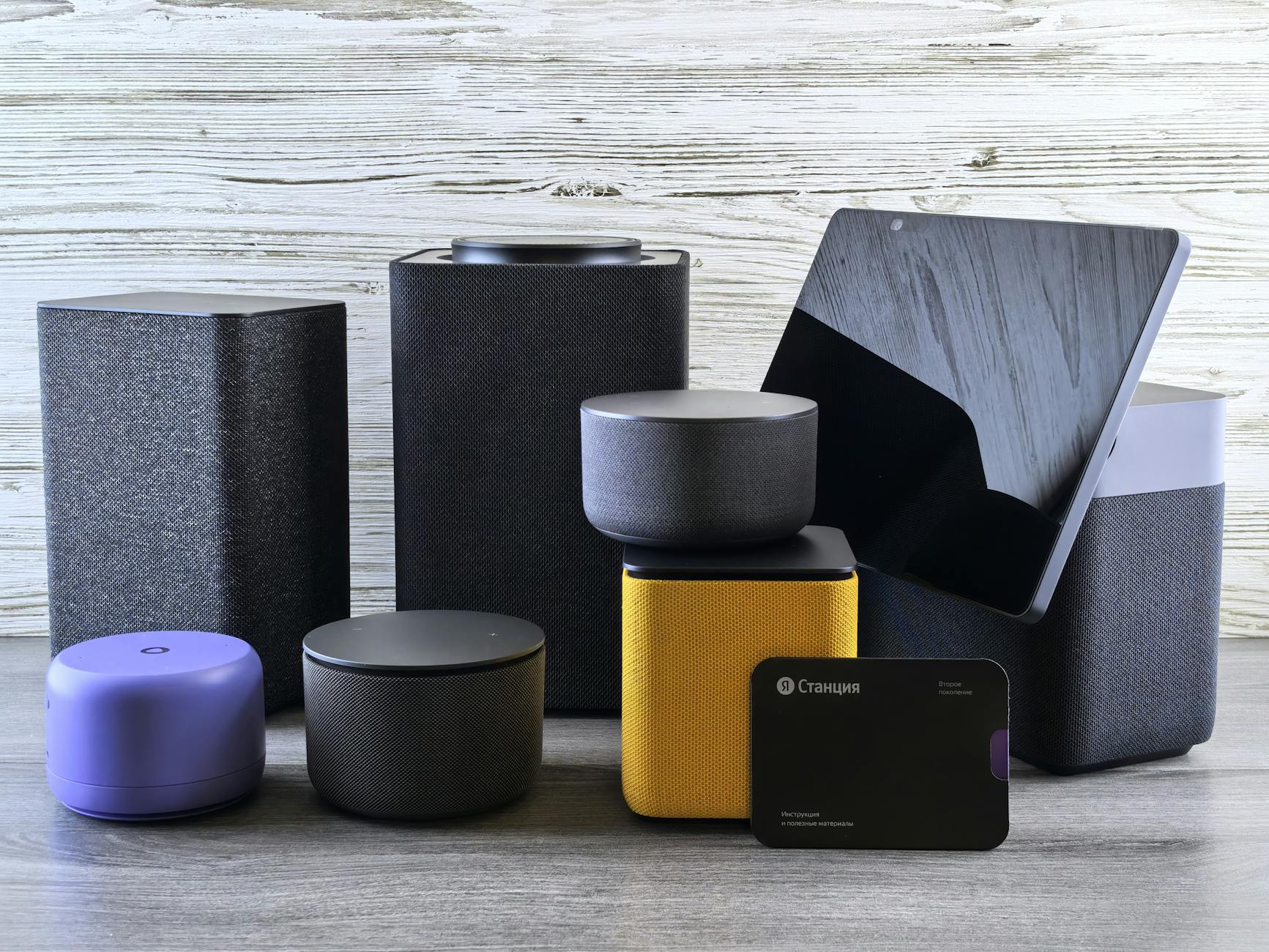
Amazon Echo, Google Home, and Apple HomePod devices record voice activity logs when their wake words are detected. Amazon’s Alexa activity history is retained in the user’s account and available through legal process.
Smart Appliances
Refrigerators that track door opens, ovens that log cooking cycles, robot vacuums that map cleaning runs — all generate timestamped event data that can corroborate or contradict claimed timelines.
Smart Home Evidence in Criminal Investigations
Homicide
Smart home data has been pivotal in multiple homicide cases. Access logs showing a door was locked from the inside contradict a forced entry claim. Smart speaker recordings capturing audio of an incident provide direct evidence. Motion sensor sequences can trace a person’s movement through a home in the minutes surrounding a crime.
Burglary and Break-In
Smart lock access logs document when entry was made and by whose credentials. If the perpetrator used stolen app credentials, account access logs from the app maker can trace the login to a specific device and IP address.
Domestic Violence
Smart home devices can document patterns of control and abuse. A lock that was remotely locked from outside when the victim was inside, thermostat controls used to manipulate comfort, and camera footage inside the home (in systems the abuser controlled) all create evidentiary records relevant to coercive control claims.
Civil and Family Law Applications
Divorce and Custody
Which parent was home during parenting time? Smart home access logs, thermostat occupancy, and motion sensor data provide objective evidence of presence and absence. This evidence is difficult to fabricate because it is generated by cloud systems independent of either party’s direct control.
Insurance Claims
A homeowner claiming fire damage that started while they were away should be corroborated by smart home data showing no occupancy. A homeowner whose thermostat shows normal occupancy-responsive operation, whose smart lock shows no access in a specific period, and whose Nest camera shows nothing before the fire — that is corroborative evidence. Conversely, smart home data showing normal occupancy immediately before a claimed unattended fire raises questions.
Landlord-Tenant Disputes
Smart locks installed by landlords may retain access logs showing when landlords entered without notice. Tenants claiming illegal entry can present this evidence in landlord-tenant proceedings.
Legal Process for Smart Home Records
All major smart home platforms respond to legal process:
| Platform | Company | Legal Process Contact |
|—|—|—|
| Ring | Amazon | Amazon Law Enforcement |
| Nest/Google Home | Google | Google Legal Investigations |
| August Smart Lock | Assa Abloy | Assa Abloy Legal |
| Ecobee | Ecobee | Ecobee Legal/Privacy |
| Amazon Alexa | Amazon | Amazon Legal Process |
| Philips Hue | Signify | Signify Legal |
Response timelines for civil subpoenas are typically longer than for law enforcement requests. Issue preservation requests promptly — smart home logs may have rolling retention windows.
FAQ
Can smart home evidence be spoofed or manipulated to create a false alibi?
Sophisticated manipulation of cloud-based smart home logs requires compromising the manufacturer’s servers, which is generally not feasible for ordinary parties. Device-level manipulation (physical access to the device) might alter local logs but not cloud-synced records. The distributed nature of smart home evidence — multiple independent systems creating consistent logs — makes systematic fabrication extremely difficult.
Who owns the data generated by smart home devices?
Terms of service for smart home platforms generally grant the manufacturer significant rights to the data. As a practical matter, the data is accessible by the account holder and through legal process. In divorce proceedings, both parties may have claims to access smart home data from a shared marital home.
What if the smart home devices were reset or the account was deleted?
Account deletion triggers data deletion after a retention period (typically 30-90 days depending on the platform). Device reset eliminates local logs but not cloud-synced records. Issue legal process promptly — the retention window is the constraint.
Smart home forensics for civil, family law, or criminal matters?
Octo Digital Forensics extracts and analyzes smart home device records including access logs, occupancy data, and motion sensor evidence with court-ready documentation.
Visit [octodigitalforensics.com](https://octodigitalforensics.com).
See also: Nft Fraud Forensics | Tiktok Forensics | Employment Investigation Forensics
Need Professional Digital Forensics?
Octo Digital Forensics provides expert mobile forensics, data recovery, and digital investigation services for attorneys, insurance companies, and private investigators. Court-admissible reports. Certified examiners.
Contact: octodf.com | info@derickdowns.com | (858) 692-3306