meta_title: Vehicle Infotainment Forensics: Extracting Evidence From Car Systems | Digital Forensics Today
meta_description: Vehicle infotainment forensics: how investigators recover call logs, text messages, contacts, navigation history, and device pairing data from car infotainment systems in legal cases.
slug: vehicle-infotainment-forensics
primary_keyword: vehicle infotainment forensics
secondary_keywords: car forensics digital evidence, infotainment system investigation, connected car forensics
Vehicle Infotainment Forensics: Extracting Evidence From Car Systems
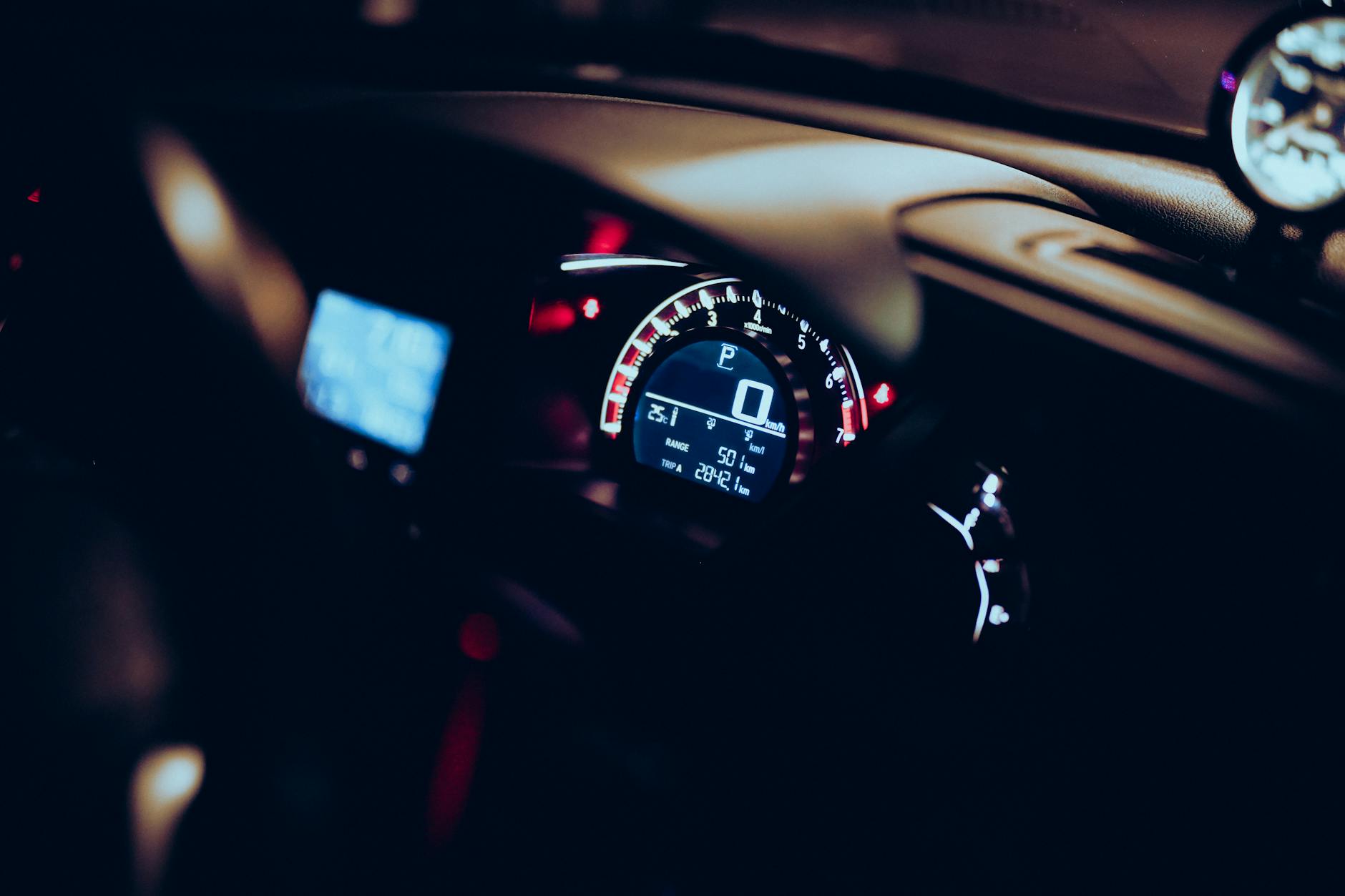
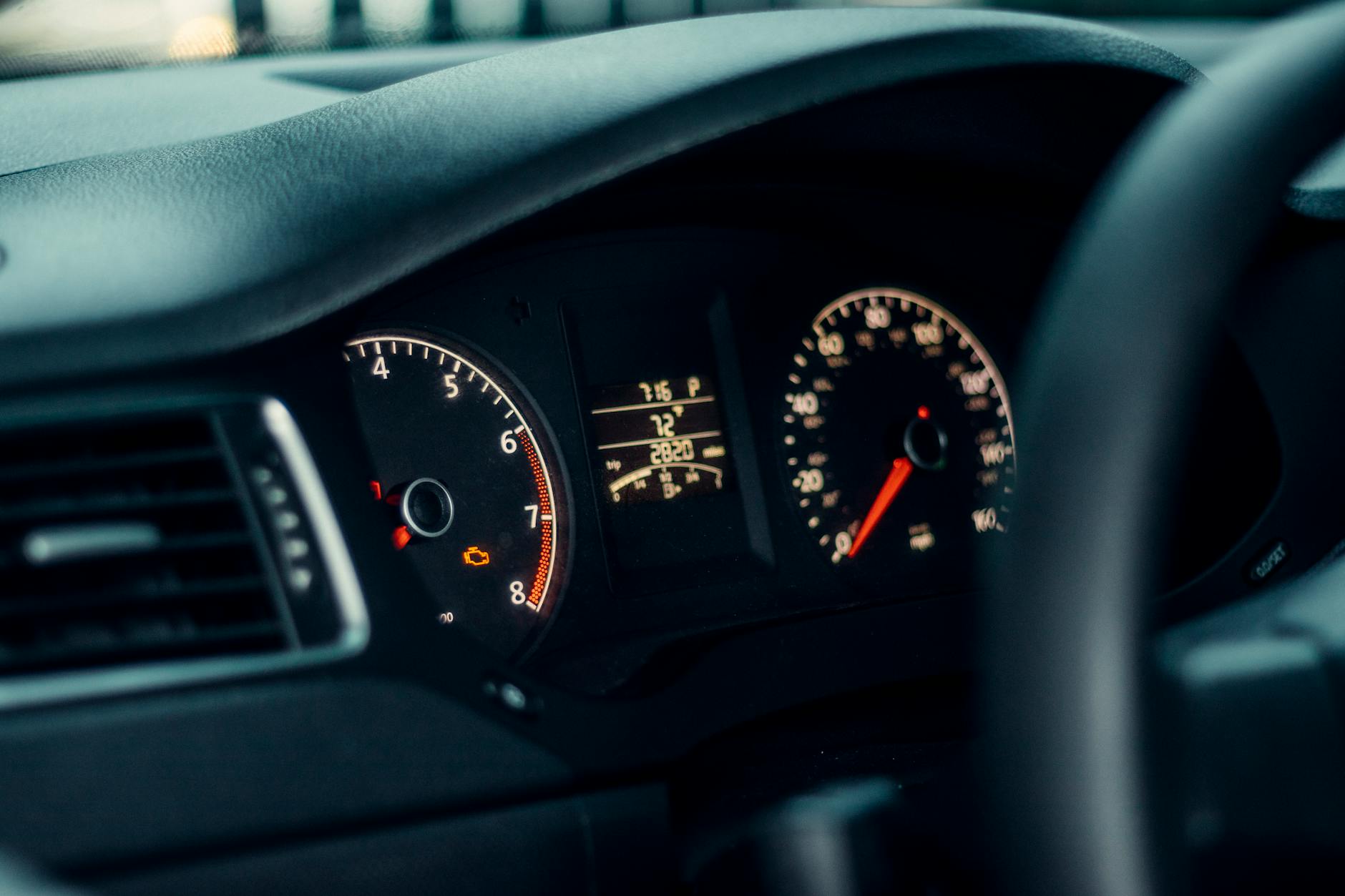
Modern vehicles contain comprehensive digital evidence systems that most people never consider when committing crimes or planning to lie about their whereabouts. The infotainment system in a car captures and retains call logs, text messages, contact lists, navigation history, device pairing records, and in some cases full conversation audio — all associated with precise timestamps and GPS coordinates.
What Vehicle Infotainment Systems Record
Connected Device Data
When a smartphone is paired via Bluetooth or USB/CarPlay/Android Auto, the infotainment system typically copies:
This data persists in the infotainment system’s database even after the phone is unpaired, factory reset, or replaced — creating a historical record of every device that was ever connected to the vehicle.
Navigation and Location History
The infotainment system’s navigation application records:
Even when Google Maps or Apple Maps is used through a connected phone, the vehicle’s navigation history may retain destinations independently.
Voice Command Records
Voice command systems process spoken commands through the vehicle’s system. Some systems retain voice command logs locally; others log commands in the manufacturer’s cloud account. These records can confirm what commands were issued and when.
Siri and Google Assistant via CarPlay/Android Auto
When CarPlay or Android Auto is active, phone-based assistants process commands through the car’s microphone. The command history is logged in the Apple ID or Google account, not in the vehicle itself — but it is associated with timestamps and accessible through legal process to Apple or Google.
Event Data Recorders (Black Boxes): Separate From Infotainment
Separate from the infotainment system, most vehicles manufactured since 2012 have an Event Data Recorder (EDR) — the vehicle equivalent of an aircraft black box. The EDR records:
EDR data is critical in accident reconstruction and is obtained separately from infotainment data. Bosch’s CDR (Crash Data Retrieval) tool is the standard for EDR access.
Forensic Tools for Infotainment Systems
Berla iVe (Vehicle Forensics System)
Berla Corporation’s iVe is the dominant commercial tool for vehicle infotainment forensics. It supports hundreds of vehicle models and can extract paired device history, call logs, message records, and navigation history from common infotainment systems including Ford SYNC, GM IntelliLink, Toyota Entune, Chrysler Uconnect, and many others.
Manual Database Extraction
For vehicles not supported by iVe, examiners can remove the infotainment unit’s storage (typically an eMMC chip or SSD), image it, and manually analyze the file system. This requires knowledge of the manufacturer’s proprietary database formats.
OBD-II Port Extraction
Some vehicle data is accessible through the OBD-II diagnostic port. While primarily designed for engine diagnostics, OBD-II data may include network traffic from vehicle systems. Specialized tools access this data.
What Vehicle Forensics Reveals in Legal Cases
DUI and Traffic Crimes
Speed and location immediately before an accident, phone pairing activity in the minutes before a collision (documenting cell phone use while driving), and navigation commands all contribute to DUI and reckless driving cases.
Alibi Investigation
Navigation history showing the vehicle was in a completely different location than claimed at a specific time is powerful alibi-defeating evidence. The timestamp correlation between infotainment navigation events and other location evidence (cell phone records, surveillance camera timestamps) creates a comprehensive location picture.
Stalking
A subject’s vehicle navigation history showing repeated trips to the victim’s home, workplace, or regular locations documents the stalking pattern even without other surveillance evidence.
Domestic Violence
Infotainment records of communications (call logs, messages) and location data can corroborate or contradict timeline claims in domestic violence cases.
Missing Person Cases
In missing person investigations, the victim’s vehicle infotainment system may show the last known destination, recent searches, and final paired device records — critical for establishing last known movements.
FAQ
How long does a vehicle retain infotainment data?
Retention varies by manufacturer and system. Most systems have limited storage that creates rolling overwrite cycles. Data retention of weeks to months is common for navigation history and call logs. Paired device records may be retained indefinitely until manually deleted or until storage is full. Act quickly in time-sensitive investigations.
Can deleted navigation history be recovered?
Navigation data stored in SQLite databases (common across many infotainment platforms) is subject to the same forensic recovery techniques as other SQLite-based evidence — deleted rows may remain in the database until storage pages are reused. Recovery is more reliable the sooner the examination occurs.
Is a warrant required to access a vehicle’s infotainment system?
Courts have generally held that searching a vehicle’s electronic systems requires a warrant when conducted by law enforcement. The vehicle owner’s consent is an alternative basis. In civil matters, access to the other party’s vehicle infotainment system requires a court order.
Vehicle infotainment forensics for accident reconstruction, DUI defense, or civil litigation?
Octo Digital Forensics performs vehicle forensic examinations including infotainment extraction, EDR analysis, and navigation history review with court-ready documentation. Expert witness testimony available.
Visit [octodigitalforensics.com](https://octodigitalforensics.com).
See also: Nft Fraud Forensics | Tiktok Forensics | Employment Investigation Forensics
Need Professional Digital Forensics?
Octo Digital Forensics provides expert mobile forensics, data recovery, and digital investigation services for attorneys, insurance companies, and private investigators. Court-admissible reports. Certified examiners.
Contact: octodf.com | info@derickdowns.com | (858) 692-3306