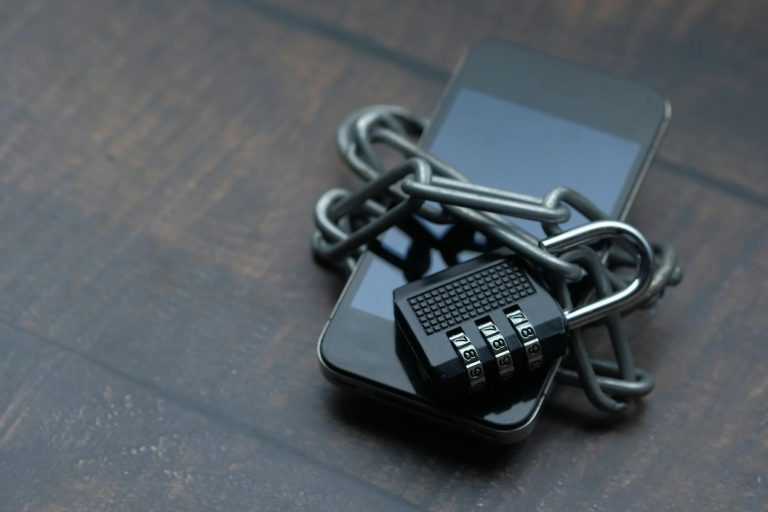
Full-disk encryption has become standard on consumer devices. An iPhone locked with a strong PIN and a modern Android device with File-Based Encryption represent nearly insurmountable technical challenges for forensic examiners without the password or a software exploit.
This article explains what forensic investigators can and can’t do when faced with an encrypted device.
The Encryption Landscape in 2026
Apple (iOS): AES-256 hardware encryption on all devices since iPhone 3GS. Keys derived from the device’s UID (hardware) and the user’s passcode. Without the passcode, decryption is not possible through software means on modern devices.
Android (Android 6+): File-Based Encryption (FBE) standard since Android 9. Keys derived from user credential and hardware identifiers. Same fundamental limitation — no password, no decryption.
Windows (BitLocker): Encrypts entire drives with AES-128 or AES-256. Key stored in TPM, requiring the BitLocker recovery key or account credential to access without hardware bypass.
macOS (FileVault): Encrypts the startup disk. Requires the user login password or recovery key.
Technical Methods for Encrypted Device Access
Brute force with dedicated hardware: For PIN-protected iOS and Android devices, tools like GrayKey (law enforcement only) and Cellebrite Premium can brute-force short numeric PINs on certain device/OS combinations. A 4-digit PIN has 10,000 possibilities; a 6-digit PIN has 1,000,000. On iOS, delays between attempts are enforced by the OS and Secure Enclave — but specialized hardware can bypass these restrictions on vulnerable iOS versions.
Alphanumeric passwords: impractical to brute force. An 8-character mixed-case alphanumeric password has roughly 218 trillion combinations. At one guess per second with restrictions bypassed, that’s still millions of years.
Memory acquisition (FROST/physical RAM capture): When a device is powered on and unlocked, encryption keys are held in RAM. Capturing RAM before the device locks can sometimes yield encryption keys. Requires the device to remain powered on through the seizure and transport — not always achievable.
GrayKey and equivalent tools: Restricted to law enforcement via approved vendor contracts. Capabilities are version-specific and regularly updated. Grayshift maintains a list of supported iOS versions.
Exploit-based extraction: Security researchers and forensic tool vendors discover vulnerabilities in iOS and Android that allow bypass of lock screen or extraction of key material. These are silently maintained and used. Apple and Google patch vulnerabilities through OS updates, creating a constant cat-and-mouse cycle.
Bootloader unlock: On Android devices where the bootloader can be unlocked (often available on development devices or certain models), a custom environment can be booted that bypasses lock screen restrictions — but this triggers a wipe on most modern Android devices.
Legal Methods for Compelling Access
Compelled decryption (Fifth Amendment considerations): In the U.S., courts are split on whether compelling a suspect to provide a password violates the Fifth Amendment right against self-incrimination. Most courts have held that providing biometrics (fingerprint, face unlock) is not testimonial and can be compelled. Providing a PIN or password may be protected.
Third-party key holders: Some organizations use enterprise MDM solutions that maintain a secondary encryption key. In corporate investigations, the organization can provide this key.
Cloud backup: Even if the device is encrypted, an unencrypted cloud backup may contain the relevant data.
Accomplice testimony: A cooperating witness who knows the password is often more reliable than any technical solution.
What Investigators Do When They Can’t Decrypt
When encryption is an absolute barrier, investigators pivot:
Digital forensics is rarely the only avenue. An encrypted device doesn’t mean an unresolvable case.
FAQ: Encrypted Device Access
Q: Can a forensic lab crack any encrypted phone with enough time?
A: No. Modern encryption with a strong password is mathematically infeasible to brute force with current technology. The limiting factor isn’t time — it’s physics. The bottleneck is that vulnerability-based access (exploits) is device and OS version specific.
Q: If I turn off my phone during a traffic stop, does that help protect my data?
A: From a forensic standpoint, yes. A powered-off device moves to BFU state where most data is inaccessible without the passcode. Some legal implications apply — consult an attorney about the rights and obligations in your jurisdiction.
Q: Do forensic labs keep discovered exploits secret?
A: Law enforcement forensic labs and their vendors do not publicly disclose exploits they use. This is controversial — some argue zero-day exploits should be disclosed to manufacturers so they can be patched rather than retained for intelligence and law enforcement use.
Q: How long does a typical forensic examination take?
A: Timelines vary based on data volume and case complexity. A single device may take one to three days; multi-device investigations can span weeks.
Q: What certifications should a digital forensics examiner hold?
A: Common certifications include EnCE, CFCE, CCE, and GCFE. Relevance depends on the examination type and the jurisdiction’s expectations.
Case Example
In a civil dispute, one party alleged digital evidence had been altered after a preservation obligation arose. The forensic examiner compared file system metadata against the litigation timeline and found several files modified after the preservation letter was received. A system cleanup utility had been run during the same period. The examiner documented the specific artifacts indicating post-preservation modifications, distinguishing between routine system operations and deliberate user actions, providing the court with a factual basis for evaluating the spoliation claim.
Practitioner Takeaways
- Verify forensic images with cryptographic hashing before analysis.
- Document every examination step for reproducibility.
- Cross-reference findings across multiple artifact types.
- Note tool versions used — behavior changes between versions affect reproducibility.
- Distinguish facts from inferences in your report.
See also: Encrypted Itunes Backups Civil Examiners | Icloud Vs On Device Evidence Strategy | Wearable Device Forensics
Need Professional Digital Forensics?
Octo Digital Forensics provides expert mobile forensics, data recovery, and digital investigation services for attorneys, insurance companies, and private investigators. Court-admissible reports. Certified examiners.
Contact: octodf.com | info@derickdowns.com | (858) 692-3306