A modern smartphone is a location-tracking device that also makes calls. Most users don’t realize how many distinct location data sources exist on their phones — or how that data survives long after they think they’ve turned tracking off.
Location evidence can place a device (and by inference, its user) at a specific location at a specific time. It’s been pivotal in criminal investigations, civil litigation, and corporate investigations.
GPS Data Stored on Mobile Devices
GPS coordinates are logged by multiple mechanisms on a smartphone:
Photo EXIF data: By default, photos taken on a smartphone embed GPS coordinates in the EXIF metadata. Every photo in your camera roll may contain the precise latitude, longitude, altitude, and timestamp of where it was taken. This is often the most precise location evidence available and requires no carrier legal process — it’s on the device.
Maps application history: Google Maps, Apple Maps, and third-party navigation apps cache search history, navigation routes, and visited locations locally. Google Maps may store visited addresses in the device’s local cache even if cloud location history is disabled.
App location logs: Any app granted location permission may log location data locally and in the cloud. Fitness apps, rideshare apps, weather apps, and retail apps all collect location data to varying degrees.
iOS Frequent Locations: iOS maintains a “Significant Locations” list that tracks places the device visits regularly. This is stored locally on the device and can be extracted with file system access.
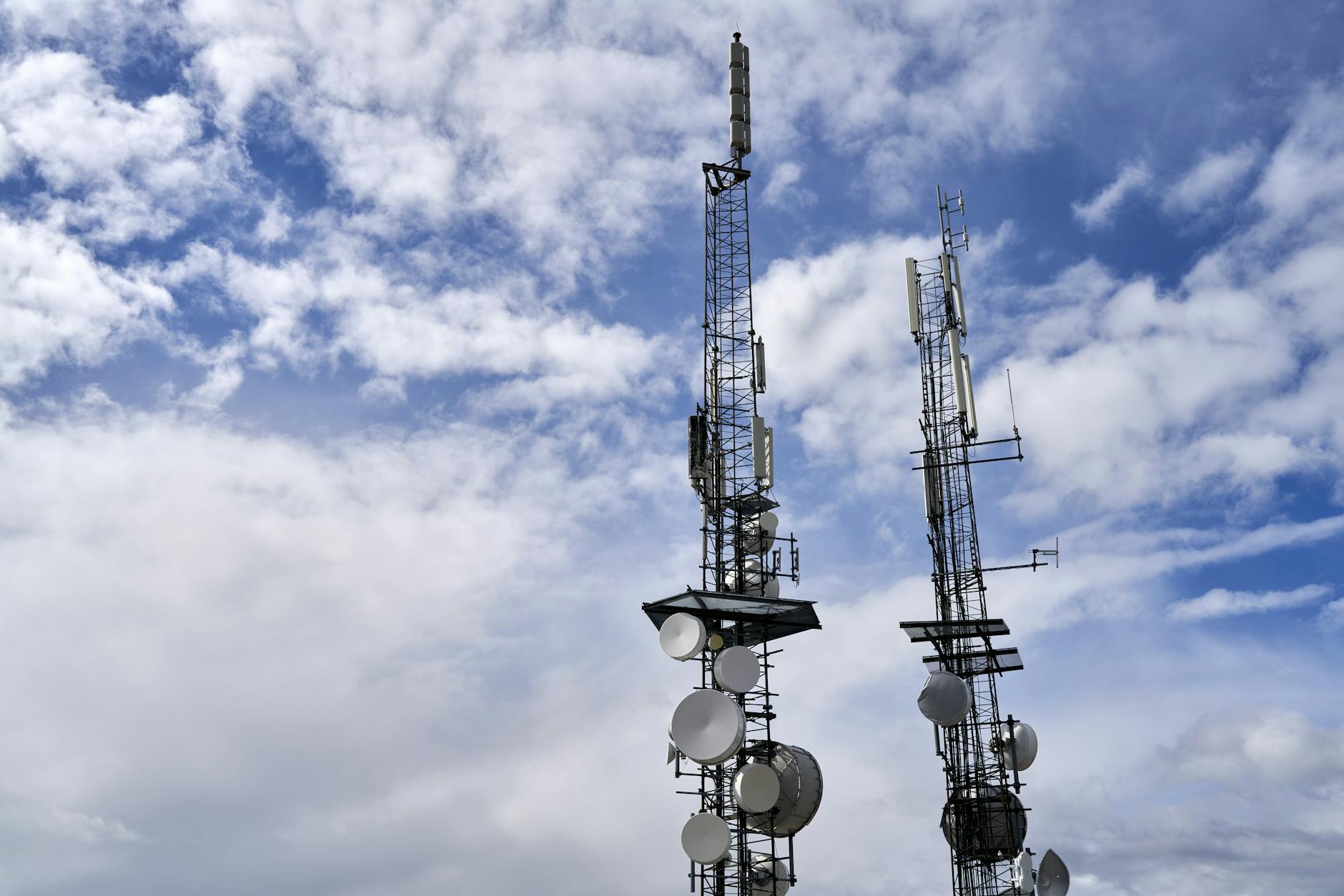
Cell Tower Records (CSLI)
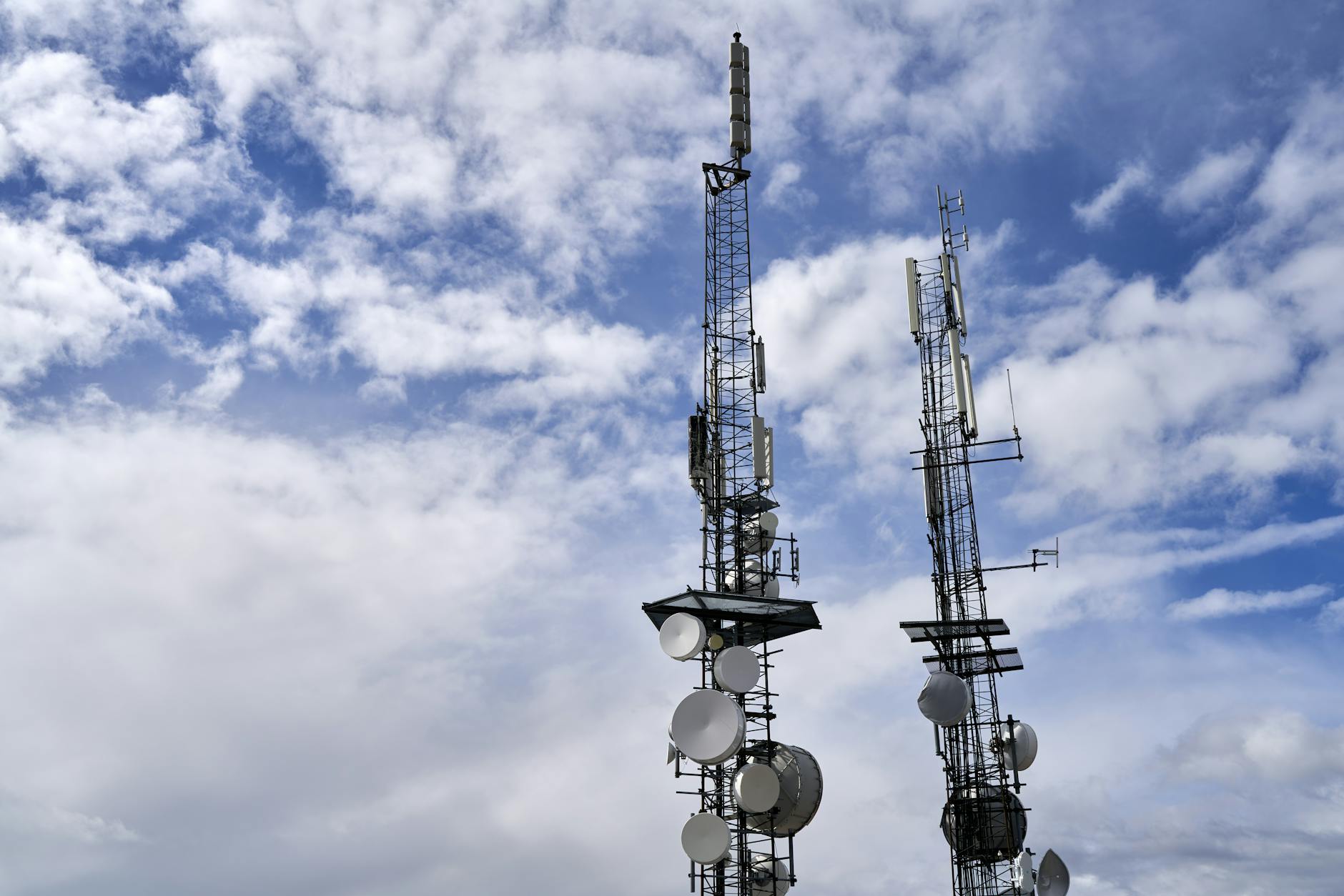
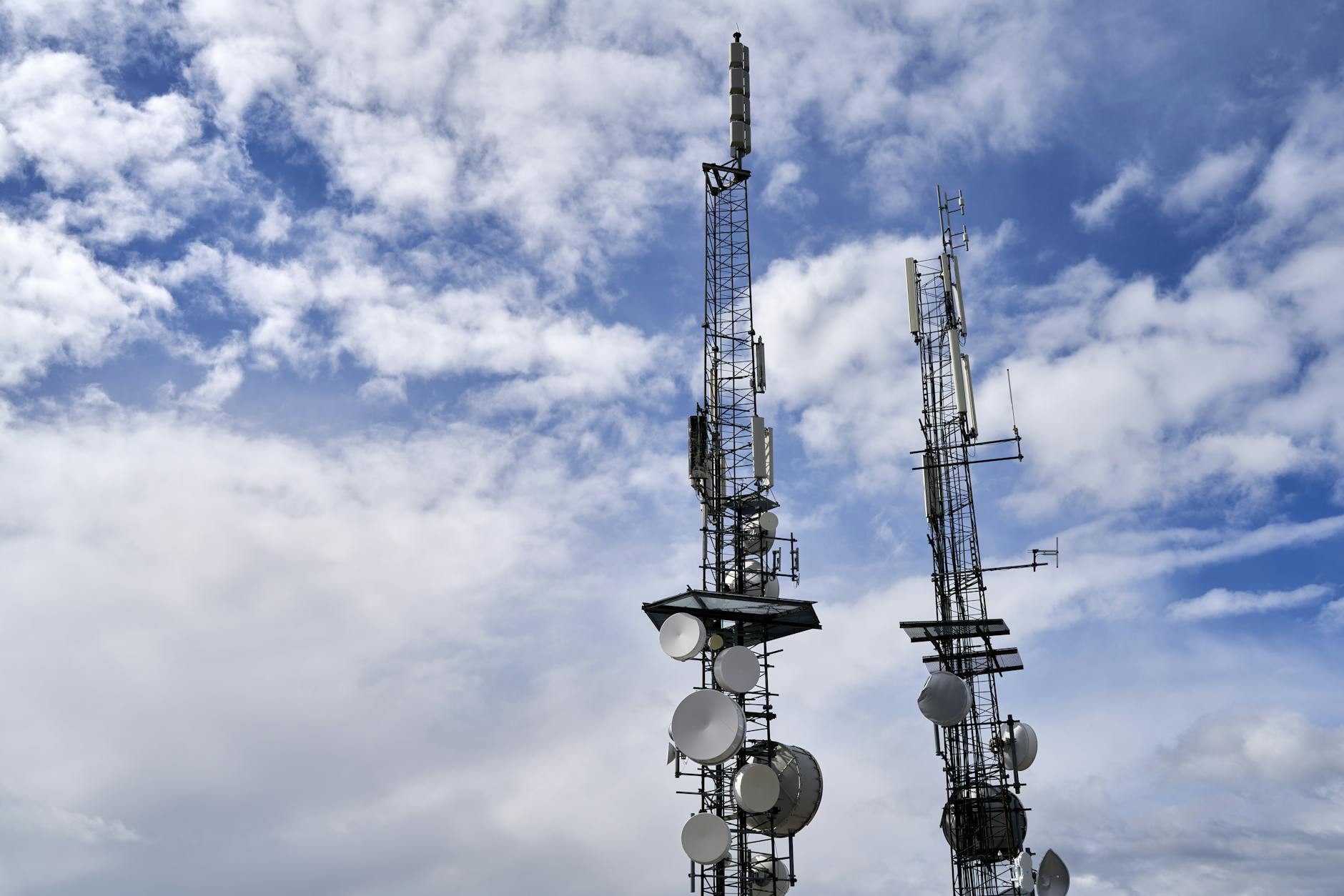
Cell Site Location Information (CSLI) is the carrier-side record of which cell towers a phone connected to over time. It’s obtained by legal process to the carrier, not by device extraction.
CSLI can show:
CSLI is less precise than GPS — a single tower can cover several square miles in rural areas, hundreds of meters in dense urban environments. But it’s often available for months or years of historical data, covering periods before GPS logs were captured.
The U.S. Supreme Court ruled in *Carpenter v. United States* (2018) that accessing more than 6 days of historical CSLI requires a warrant.
Wi-Fi Positioning Data
Mobile devices log nearby Wi-Fi networks, including their MAC addresses and signal strengths. This data:
Law enforcement has used Wi-Fi access point logs from devices to place a phone within a building or specific area.
Google Location History (Timeline)
Until recent changes, Google stored a detailed location history on its servers tied to Google accounts. Google Timeline showed every place a device visited, when, and for how long.
Google responded to “geofence warrants” — law enforcement requests for all devices present at a specific location during a time window. This has been controversial from a privacy standpoint and the practice is being curtailed.
As of 2024–2025, Google is migrating Timeline storage to the device itself, meaning historical location data lives on the phone rather than Google’s servers. This changes the legal process needed to access it.
Acquiring Location Evidence
Location evidence comes from multiple sources with different acquisition methods:
| Source | Acquisition Method | Precision |
|—|—|—|
| Photo EXIF | Device extraction | High (GPS precise) |
| iOS Significant Locations | File system extraction | High |
| App location logs | Device extraction | Varies |
| Google Timeline (device) | Device extraction | High |
| Google Timeline (server) | Legal process to Google | High |
| CSLI | Legal process to carrier | Low–Medium |
| Wi-Fi logs | Device extraction | Medium |
FAQ: Location Data in Mobile Forensics
Q: Can someone track my location even if I turn off Location Services?
A: Partially. Cell tower records exist on the carrier’s side regardless of phone settings. Wi-Fi positioning can work even with location services off on some devices. Disabling Location Services mainly prevents apps from accessing GPS.
Q: How far back does cell tower location data go?
A: US carriers typically retain CSLI for 1–2 years, though this varies by carrier and data type. Voice call records and SMS records may be retained longer than data connection records.
Q: Can a forensic examiner tell the difference between GPS data and estimated location?
A: Often yes. GPS data has specific precision indicators and satellite lock counts embedded in logs. Wi-Fi and cell tower positioning typically shows as a geographic center point with a larger accuracy radius.
Q: How long does a typical forensic examination take?
A: Timelines vary based on data volume and case complexity. A single device may take one to three days; multi-device investigations can span weeks.
Q: What certifications should a digital forensics examiner hold?
A: Common certifications include EnCE, CFCE, CCE, and GCFE. Relevance depends on the examination type and the jurisdiction’s expectations.
Case Example
In a civil dispute, one party alleged digital evidence had been altered after a preservation obligation arose. The forensic examiner compared file system metadata against the litigation timeline and found several files modified after the preservation letter was received. A system cleanup utility had been run during the same period. The examiner documented the specific artifacts indicating post-preservation modifications, distinguishing between routine system operations and deliberate user actions, providing the court with a factual basis for evaluating the spoliation claim.
Practitioner Takeaways
- Verify forensic images with cryptographic hashing before analysis.
- Document every examination step for reproducibility.
- Cross-reference findings across multiple artifact types.
- Note tool versions used — behavior changes between versions affect reproducibility.
- Distinguish facts from inferences in your report.
See also: Gdpr Data Forensics | Nft Fraud Forensics | Tiktok Forensics
Need Professional Digital Forensics?
Octo Digital Forensics provides expert mobile forensics, data recovery, and digital investigation services for attorneys, insurance companies, and private investigators. Court-admissible reports. Certified examiners.
Contact: octodf.com | info@derickdowns.com | (858) 692-3306