meta_title: Drone Forensics: Extracting Flight Logs, Video, and Operator Data From UAVs | Digital Forensics Today
meta_description: Drone forensics guide: how investigators recover flight logs, GPS tracks, video footage, and operator identification from UAVs in criminal, civil, and regulatory investigations.
slug: drone-forensics
primary_keyword: drone forensics
secondary_keywords: UAV forensics investigation, drone flight log evidence, drone operator identification
Drone Forensics: Extracting Flight Logs, Video, and Operator Data From UAVs
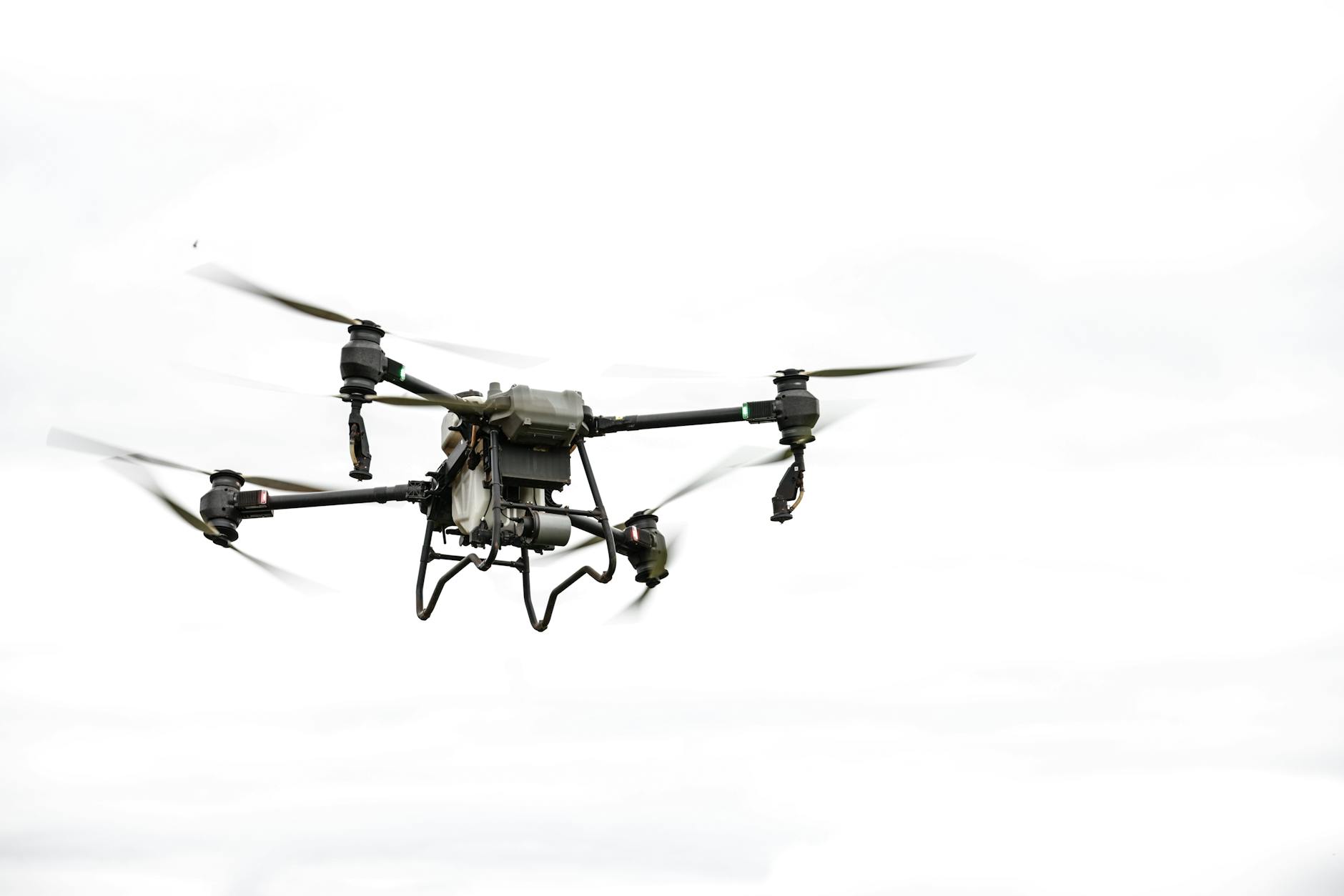
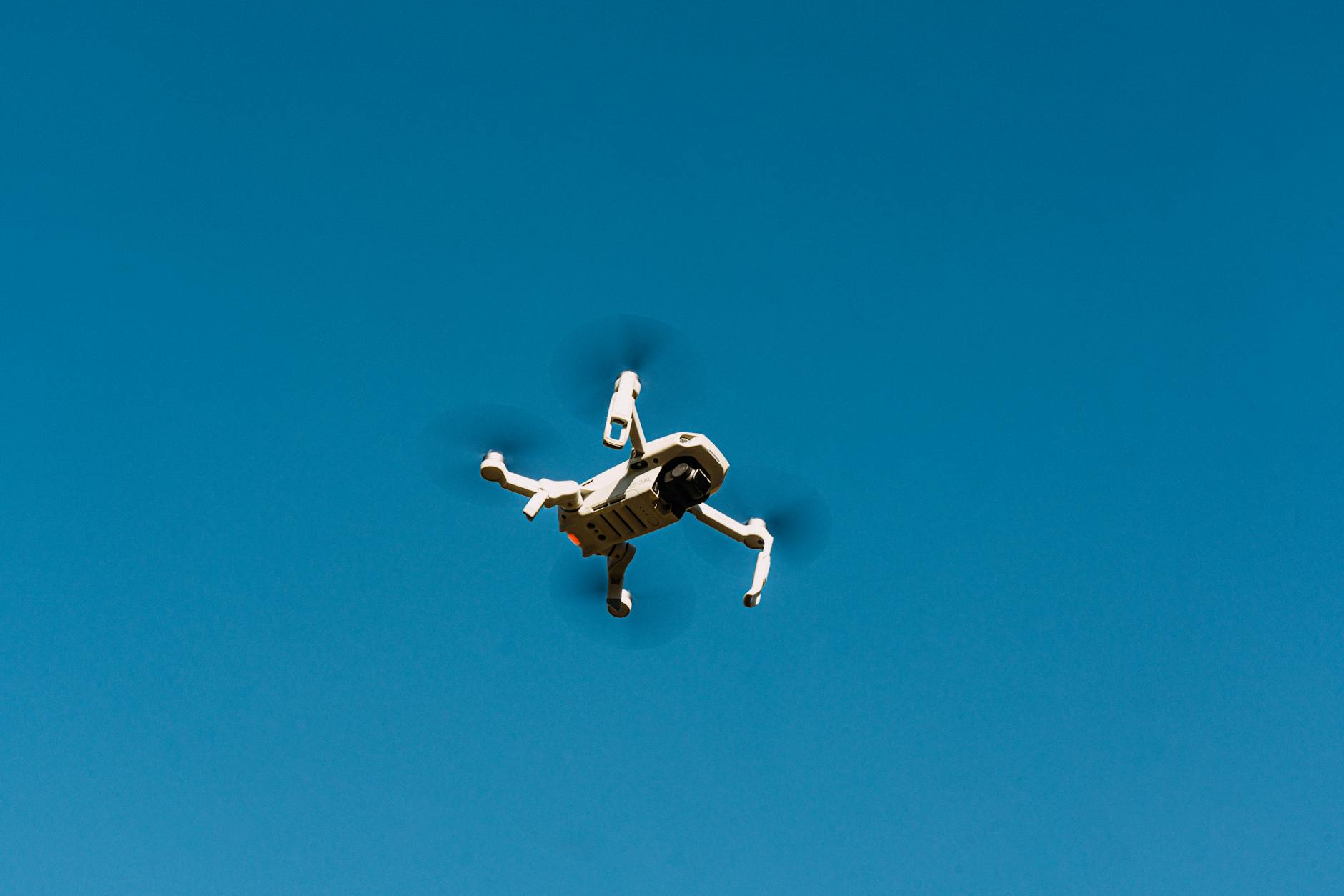
Drone forensics is an emerging discipline responding to the rapid proliferation of unmanned aerial vehicles (UAVs) in civilian, commercial, and criminal contexts. Drones appear in investigations involving surveillance, smuggling, privacy violations, near-miss aircraft incidents, stalking, and corporate espionage. Every drone leaves a traceable digital trail — in its own onboard storage, in the operator’s controller, and in the manufacturer’s cloud platform.
What Drones Record
Flight Logs
Every DJI, Parrot, Autel, and most other consumer and commercial drones maintain detailed flight logs recording:
These logs are stored on the drone’s internal memory and simultaneously in the operator’s mobile device and the manufacturer’s cloud platform when connected.
Video and Images
Drone cameras record to SD cards. The video and image files carry EXIF metadata including GPS coordinates and timestamps. Even without the onboard SD card, thumbnail images may remain in the drone’s internal storage, and the flight log establishes where the drone flew and what altitude and orientation corresponded to each recorded second.
Controller and Mobile Device Data
The operator’s controller or mobile device contains:
DJI Specific Forensics
DJI is the dominant consumer and commercial drone manufacturer and has the most documented forensic process:
DAT Files: DJI drones store flight data in proprietary DAT files on the drone’s internal storage. These files require DJI’s own tools or open-source converters (like DATcon or DJI Flight Log Viewer) to parse. They contain high-frequency sensor data at 10Hz or higher — more detailed than the CSV flight logs the app exports.
TXT Flight Logs: The DJI mobile app stores human-readable TXT flight logs that are more accessible than DAT files and contain the essential GPS, altitude, and camera data.
DJI Fly Safe System: DJI’s geofencing system logs when operators attempt to fly in restricted areas and what authorization was used. These server-side logs may be obtainable through legal process to DJI.
SkyPixel / FlightHub: DJI’s cloud platforms retain flight records for registered users. Legal process to DJI can yield account information, flight history, and in some cases video uploads.
Drone Attribution: Identifying the Operator
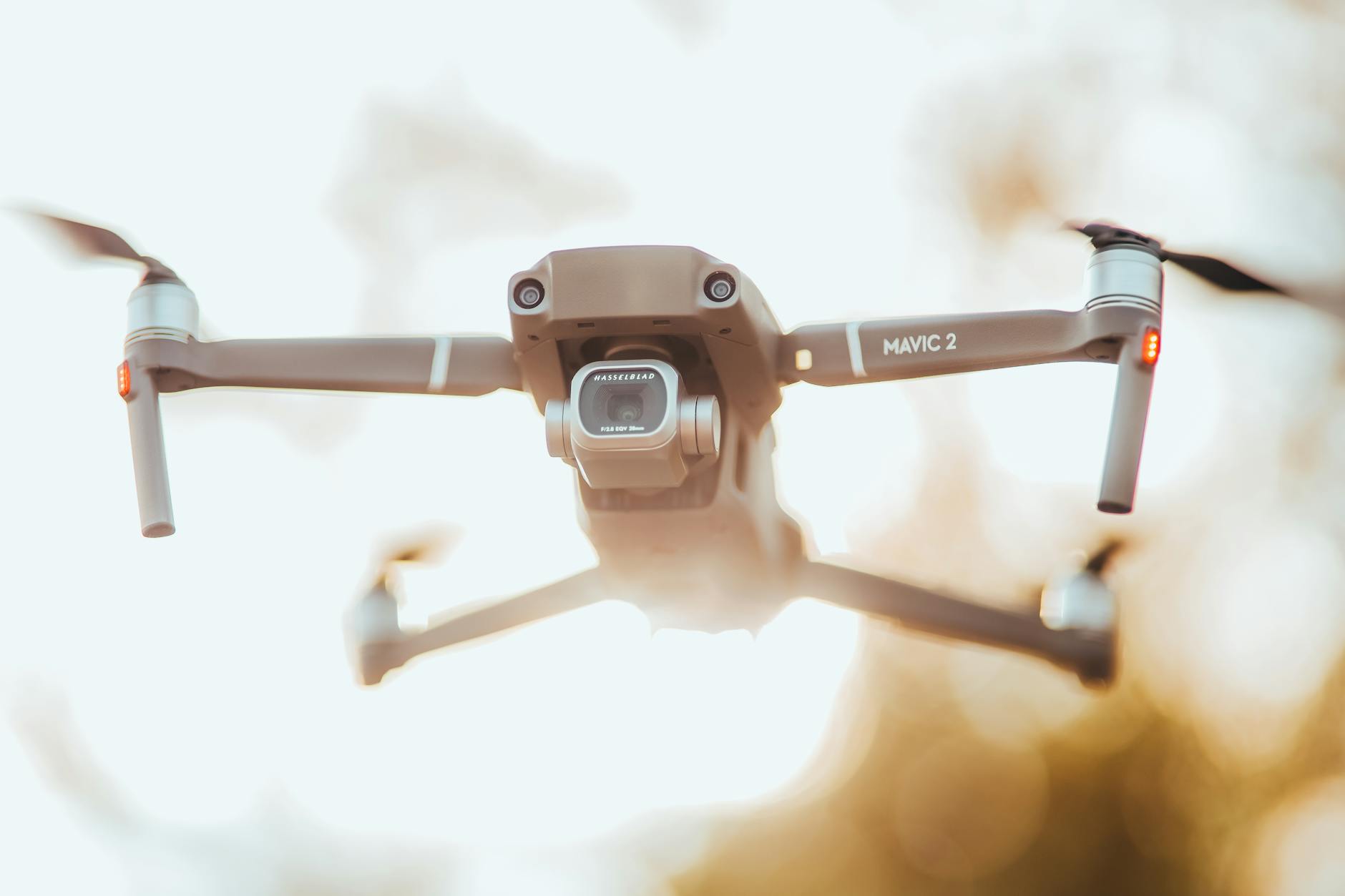
When a drone is involved in an incident, identifying who was flying it is the first investigative challenge. Attribution pathways include:
FAA Registration
FAA regulations require drone registration for all aircraft weighing more than 0.55 lbs. The FAA’s DroneZone registration database links drone serial numbers to registered owners. Law enforcement can query this database with a serial number from the drone itself or from the FAA’s Remote ID broadcast.
Remote ID
FAA Remote ID (required on most drones since September 2023) broadcasts the drone’s serial number, GPS position, altitude, and the operator’s ground position via Bluetooth and/or Wi-Fi while in flight. This broadcast can be received by any compatible device and creates a real-time attribution mechanism. Historical Remote ID data may be retained by monitoring systems at airports, stadiums, and secure facilities.
DJI Aeroscope
DJI’s Aeroscope system (available to authorized recipients including law enforcement and airport operators) receives DJI drone broadcast data in real time and logs it for later retrieval. A drone that flew over a secure facility may have been detected and logged by Aeroscope even if it evaded visual observation.
Flight Log Origin GPS
The flight logs record the operator’s GPS position at takeoff (the home point). This location can identify where the operator was standing during the flight — often narrow enough to place them at a specific parking lot, rooftop, or property.
Drone Evidence in Legal Proceedings
Criminal Cases
Drones used for smuggling contraband (over prison walls, across borders), stalking, or illegal surveillance generate flight logs that establish the drone’s complete route. Combined with video evidence and operator attribution, this creates a comprehensive criminal case.
Civil Cases
Drones used for commercial surveillance (photographing a competitor’s facility), privacy violations (filming private property), or personal stalking are subject to civil claims. Flight log evidence establishes the pattern of surveillance behavior.
FAA Enforcement
FAA Part 107 violations (flying over people, at night without waiver, in restricted airspace) are investigated using flight log data. The DAT files from the drone provide the highest-resolution evidence of exactly where and how the aircraft flew.
FAQ
Can the SD card be forensically recovered if it was erased?
SD cards can often be forensically imaged and carved for deleted video files. Standard photo/video recovery tools (Recuva, PhotoRec, Magnet AXIOM) can recover deleted media from SD cards if the overwrite rate has not consumed the relevant sectors. Act quickly — continued use of the SD card reduces recovery probability.
What if the drone was destroyed at the scene?
Physical destruction of the drone does not destroy the cloud account records or the controller/mobile device records. The manufacturer’s server-side flight logs and the operator’s phone-based logs are independent evidence sources that survive drone destruction.
Can investigators obtain DJI flight records without the pilot’s cooperation?
Yes, through legal process to DJI (headquartered in Shenzhen, China, though with U.S. subsidiaries). U.S. courts can issue subpoenas to DJI’s U.S. entities. International legal assistance treaties (MLATs) apply to DJI’s China-based records. Additionally, the drone itself and the operator’s mobile device are subject to search warrant.
Drone forensics for civil, criminal, or regulatory matters?
Octo Digital Forensics performs drone flight log extraction, operator attribution, and Remote ID analysis with court-ready documentation. Expert witness testimony available for FAA and civil proceedings.
Visit [octodigitalforensics.com](https://octodigitalforensics.com).
See also: Nft Fraud Forensics | Tiktok Forensics | Employment Investigation Forensics
Need Professional Digital Forensics?
Octo Digital Forensics provides expert mobile forensics, data recovery, and digital investigation services for attorneys, insurance companies, and private investigators. Court-admissible reports. Certified examiners.
Contact: octodf.com | info@derickdowns.com | (858) 692-3306