meta_title: Linux Forensics: Investigating Linux Systems in Legal Proceedings | Digital Forensics Today
meta_description: Linux forensics guide: imaging Linux systems, key artifact locations, log analysis, LVM and LUKS encryption, and presenting Linux evidence in court.
slug: linux-forensics
primary_keyword: Linux forensics
secondary_keywords: Linux system investigation, Linux log analysis forensics, Linux evidence extraction
Linux Forensics: Investigating Linux Systems in Legal Proceedings
Linux forensics is commonly encountered in corporate network investigations, server compromises, and cases involving technically sophisticated subjects who use Linux specifically because they believe it leaves fewer traces. That belief is partially wrong — Linux systems generate extensive logs and artifacts that trained examiners know where to find.
Imaging Linux Systems
Forensic imaging of Linux follows the same write-block-then-image principle as other platforms, with Linux-specific considerations:
Live vs. Dead Acquisition
LVM (Logical Volume Manager)
Many Linux systems use LVM, which adds an abstraction layer between physical disks and file systems. Forensic tools must understand LVM to correctly parse the volume structure. EnCase, FTK, and Autopsy all support LVM.
LUKS Encryption
Linux Unified Key Setup (LUKS) is the standard full-disk encryption layer on Linux. An encrypted LUKS partition cannot be read without the passphrase or a recovery key. If the system is live, the decryption key may be in RAM — live RAM acquisition before shutdown is the only path to the plaintext data on a powered-off encrypted system without the passphrase.
Critical Linux Artifact Locations
Authentication and User Activity
System Events
Network Activity
Application Artifacts
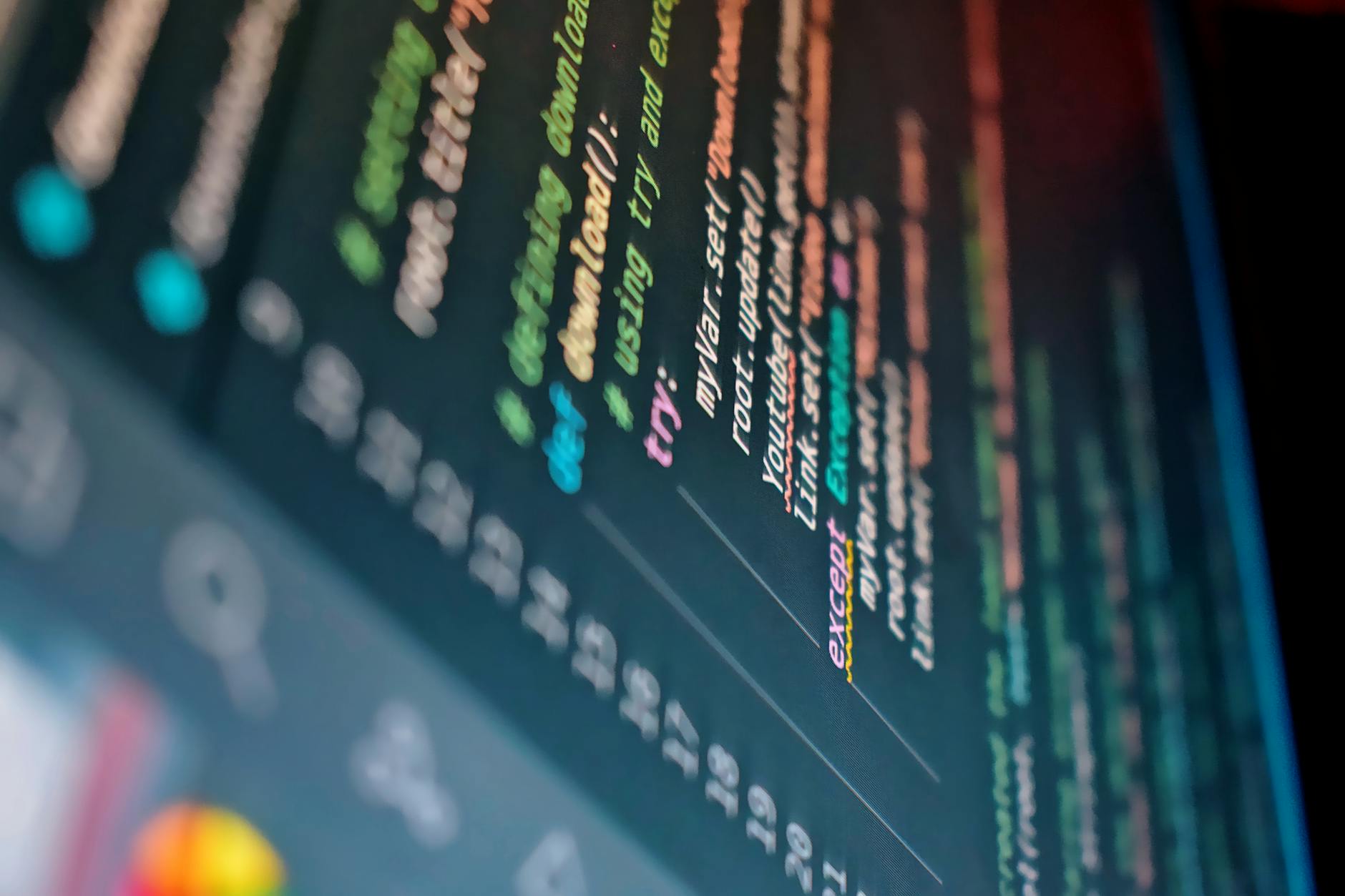
Bash History Manipulation: A Common Anti-Forensic Tactic
The `~/.bash_history` file is frequently modified or cleared by subjects attempting to hide their activity. Signs of manipulation include:
Even when `bash_history` has been cleared, the systemd journal often retains command execution events through process auditing. The Linux Audit System (`auditd`) provides even more comprehensive command logging when enabled.
Deleted File Recovery on Linux
Linux ext4 file systems (the most common Linux file system) do not retain directory entries for deleted files — when a file is deleted, its inode entry is cleared. This makes traditional directory-based recovery impossible.
However:
FAQ
Is Linux bash history reliable forensic evidence?
Bash history is useful but must be authenticated carefully. It is user-modifiable and frequently manipulated. Corroborate bash history with systemd journal entries, auth logs, and network logs before relying on it as primary evidence.
Can Linux forensics be performed with open-source tools?
Yes. Autopsy/Sleuth Kit, Volatility (for RAM analysis), Foremost, binwalk, and the standard Linux utilities are all open-source and forensically sound. Many examiners use a commercial wrapper like AXIOM for efficiency but the underlying analysis is identical to open-source approaches.
What if the Linux system is a cloud virtual machine (AWS, GCP, Azure)?
Cloud-hosted Linux VMs present different access challenges. The cloud provider’s disk snapshot capability can create a forensic image. Cloud provider audit logs (AWS CloudTrail, GCP Audit Logs) are critical supplemental evidence. Legal process to the cloud provider may be needed if the subject is uncooperative.
Linux server forensics for an incident response or legal matter?
Octo Digital Forensics handles Linux system examinations for corporate incident response and civil/criminal litigation. Court-ready reporting, expert witness available.
Visit [octodigitalforensics.com](https://octodigitalforensics.com).
See also: Nft Fraud Forensics | Tiktok Forensics | Employment Investigation Forensics
Need Professional Digital Forensics?
Octo Digital Forensics provides expert mobile forensics, data recovery, and digital investigation services for attorneys, insurance companies, and private investigators. Court-admissible reports. Certified examiners.
Contact: octodf.com | info@derickdowns.com | (858) 692-3306