How to Extract Data from a Broken iPhone
A shattered screen doesn’t mean your data is gone.
Neither does water damage. Or a phone that won’t turn on. Or a locked device with a dead screen where you can’t enter the passcode.
Forensic data extraction from broken iPhones is one of the most common services we perform. Here’s what’s actually possible — and where the hard limits are.

The Most Common “Broken iPhone” Scenarios
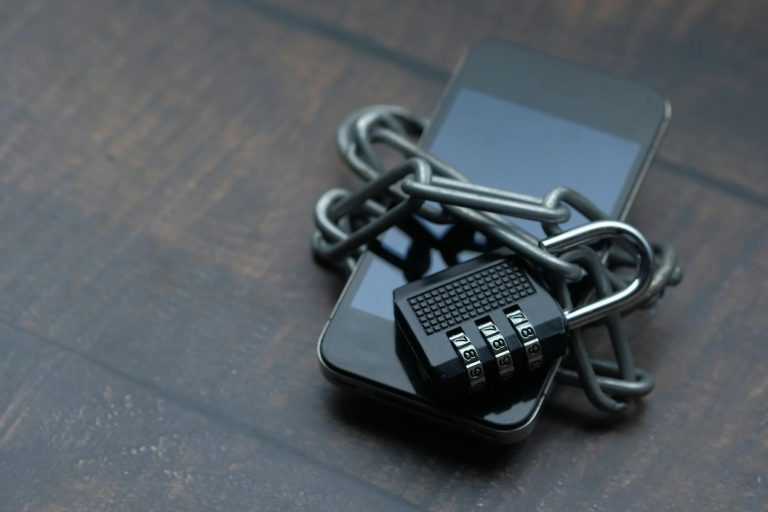
Cracked or dead screen: The hardware is functional, but you can’t interact with the device normally. This is the easiest case. We connect directly to the phone’s hardware. The screen doesn’t matter.
Won’t turn on: Could be a battery failure, a software crash, or hardware damage. If the storage chip is intact, there’s a path forward. The phone doesn’t need to boot for certain extraction methods.
Water damage: The most variable scenario. Water damage can short components immediately or corrode them over weeks. Success depends on which components were affected and how quickly the phone was dried and brought in. Putting it in rice does nothing useful — bring it to an examiner.
Passcode locked with broken screen: This is the toughest case. If the screen is too damaged to accept input, and Touch ID/Face ID won’t work, getting into the device requires advanced techniques. It’s possible but not guaranteed.
Extraction Methods Available for Broken Devices
Logical Extraction via USB
If the iPhone still powers on and can be connected via USB, a logical extraction can proceed even with a completely dead screen. Tools like Cellebrite UFED and Magnet AXIOM communicate with the device over the Lightning or USB-C port.
What this gets you: messages, call logs, photos, app data, contacts, notes.
Full File System Extraction
Available on many iPhone models using vulnerabilities and forensic tool exploits. Gets deeper than logical extraction — recovers more deleted data and system files.
Requires the device to be functional enough to enter the exploit chain.
Chip-Off Extraction
The last resort for severely damaged iPhones.
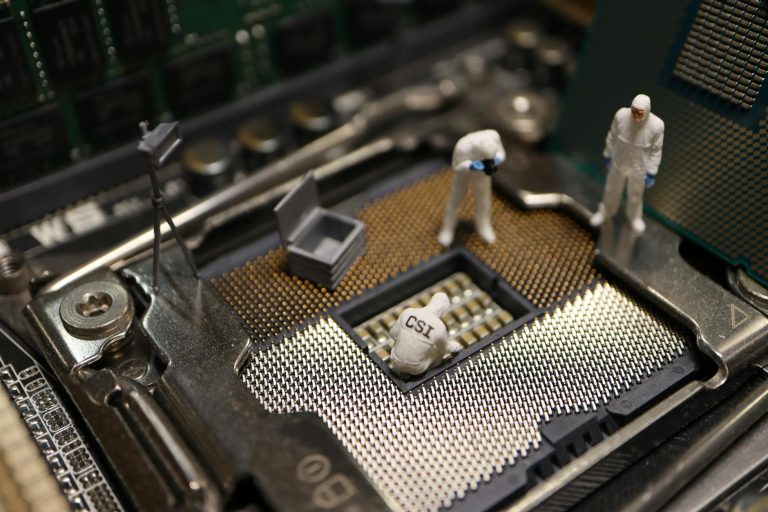
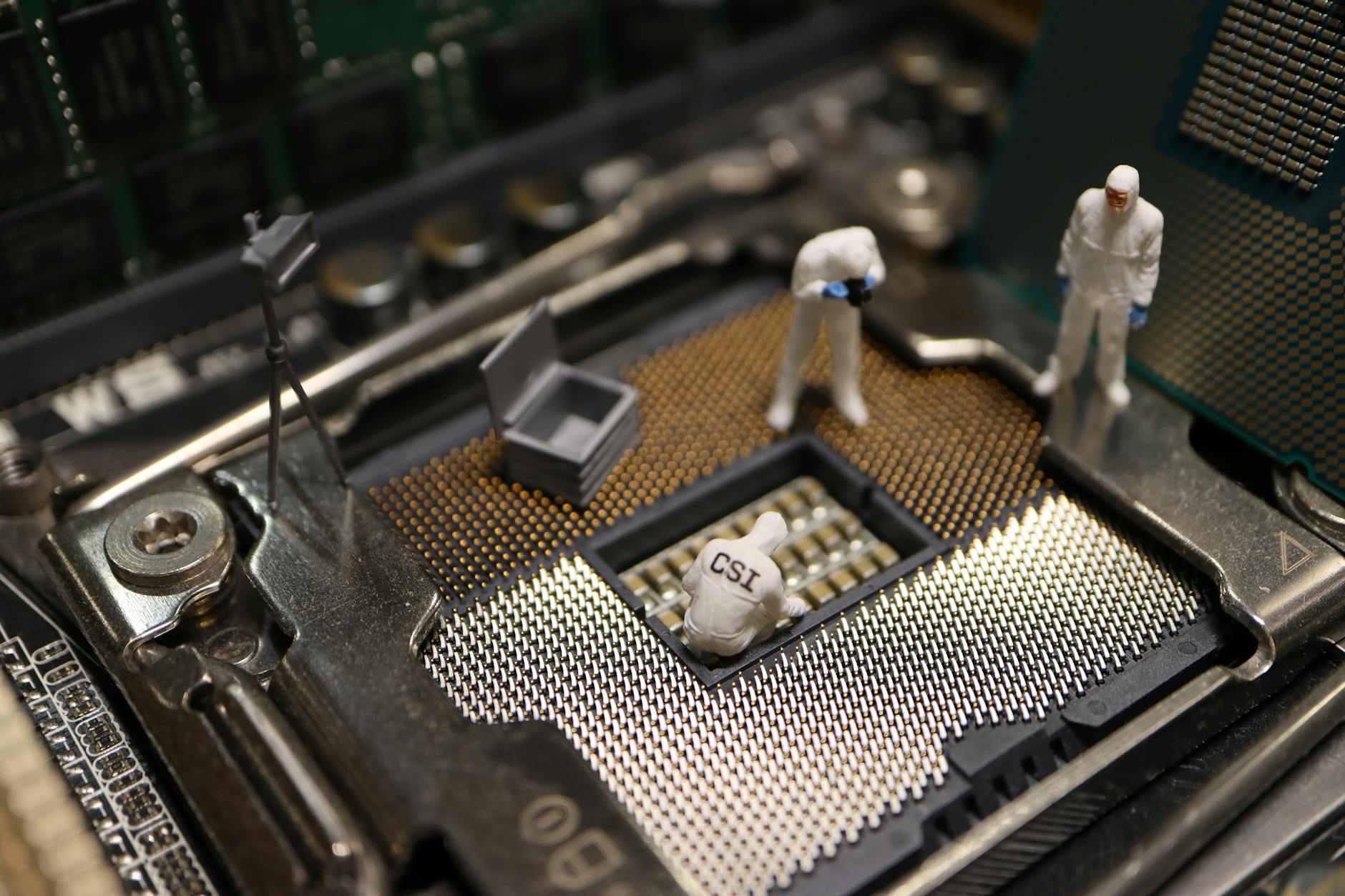
The flash memory chip is physically removed from the motherboard and read directly using specialized hardware. This bypasses everything — the screen, the processor, the passcode.
The challenge: Apple’s secure enclave encryption means the raw chip data is encrypted. Without the keys (which are tied to the processor), the extracted data may be unreadable. Chip-off is more viable on older iPhone models (pre-A12 chip) than newer ones.
JTAG / ISP
JTAG and ISP methods access the memory directly through the circuit board’s test points without removing the chip. Less invasive than chip-off. Works on some iPhone models.
What Can Be Recovered From a Broken iPhone
Depending on the extraction method that’s viable for your specific device:
Recovery isn’t guaranteed to be 100% complete, but even partial recovery can surface critical evidence.
iPhone Models and Extraction Complexity
Newer iPhones are harder to extract because Apple continuously patches the vulnerabilities forensic tools rely on.
iPhone X and older (A11 chip and earlier): More extraction options available, including checkm8-based full file system extraction.
iPhone 11-13 (A13-A15): Harder. Tools like Cellebrite have partial capabilities, often requiring the device’s passcode.
iPhone 14-16 (A16-A18): Cutting edge. Extraction capabilities are more limited and change frequently as tools update.
Knowing your device model is the first step. From there, a certified examiner can tell you exactly what’s achievable.
What to Do Right Now If You Have a Broken iPhone With Critical Data
1. Don’t try to power cycle it repeatedly — this can cause further damage
2. Don’t put it in rice
3. Don’t plug it into a random charger you find
4. Don’t attempt a software restore or recovery mode — this can overwrite data
5. Call a forensic examiner and describe the damage before bringing it in
The sooner you act, the more options are available.
FAQ
Can data be recovered from a water-damaged iPhone?
Yes, in many cases — if the device is brought in quickly and the damage is limited to components other than the storage chip. Success rates drop significantly if the phone was submerged for extended periods or if it has visible corrosion on the board.
Does the iPhone need to be turned on for forensic extraction?
For most extraction methods, yes — the device needs to at least power on briefly. Chip-off can work on completely non-functional devices if the storage chip is physically intact.
What if I don’t know my iPhone’s passcode?
Recovery without a passcode is possible on older models using forensic exploits. On recent iPhones, without the passcode, options are very limited. If the account holder is deceased or incapacitated, bring any available documentation — it helps determine what legal pathways exist.
Broken iPhone? Octo Digital Forensics Can Help.
We handle forensic extractions on damaged, broken, and locked iPhones for attorneys, individuals, and businesses throughout San Diego.
Cellebrite-certified. Every extraction comes with a detailed report and chain of custody log.
Visit octodf.com or call 858-692-3306 before you do anything else to that phone.
See also: Iphone Extraction Forensics | Iphone Logical Vs Full File System Acquisition | How To Export Iphone Messages Pdf Court
Need Professional Digital Forensics?
Octo Digital Forensics provides expert mobile forensics, data recovery, and digital investigation services for attorneys, insurance companies, and private investigators. Court-admissible reports. Certified examiners.
Contact: octodf.com | info@derickdowns.com | (858) 692-3306