meta_title: IoT Forensics: Extracting Evidence From Smart Devices and Connected Systems | Digital Forensics Today
meta_description: IoT forensics guide: recovering digital evidence from smart speakers, thermostats, medical devices, security cameras, and other IoT devices in legal investigations.
slug: iot-forensics
primary_keyword: IoT forensics
secondary_keywords: Internet of Things forensics investigation, smart device evidence, IoT digital evidence
IoT Forensics: Extracting Evidence From Smart Devices and Connected Systems
The Internet of Things (IoT) — the ecosystem of connected devices beyond traditional computers and phones — has become one of the most productive sources of digital evidence in investigations involving the home, the body, and the vehicle. Smart speakers recorded ambient audio. Thermostats tracked occupancy. Medical devices logged physiological data. In crime scenes, divorces, insurance claims, and criminal investigations, IoT devices are silent witnesses that few people think to silence.
What IoT Devices Record
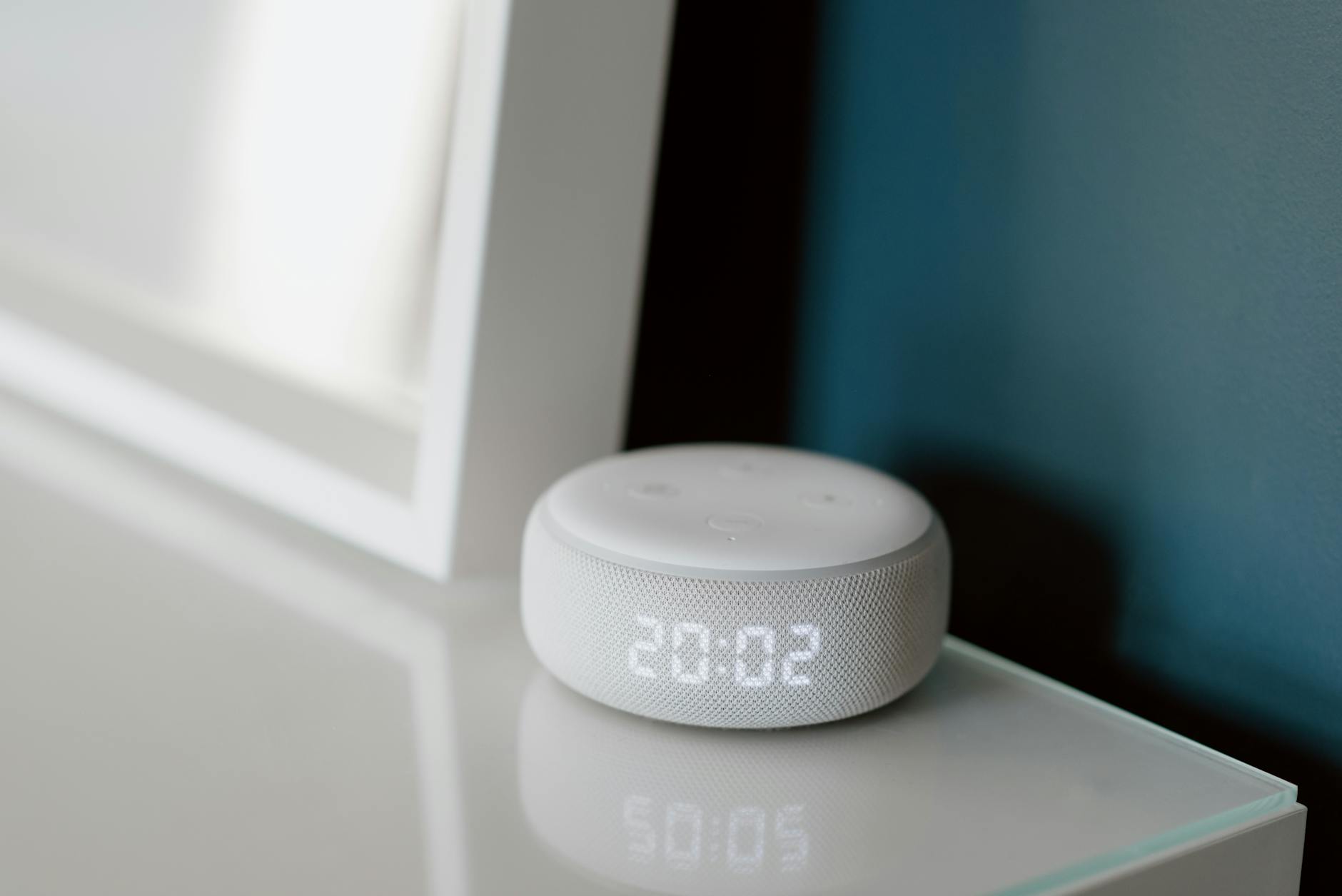
Smart Speakers (Amazon Echo, Google Home, Apple HomePod)
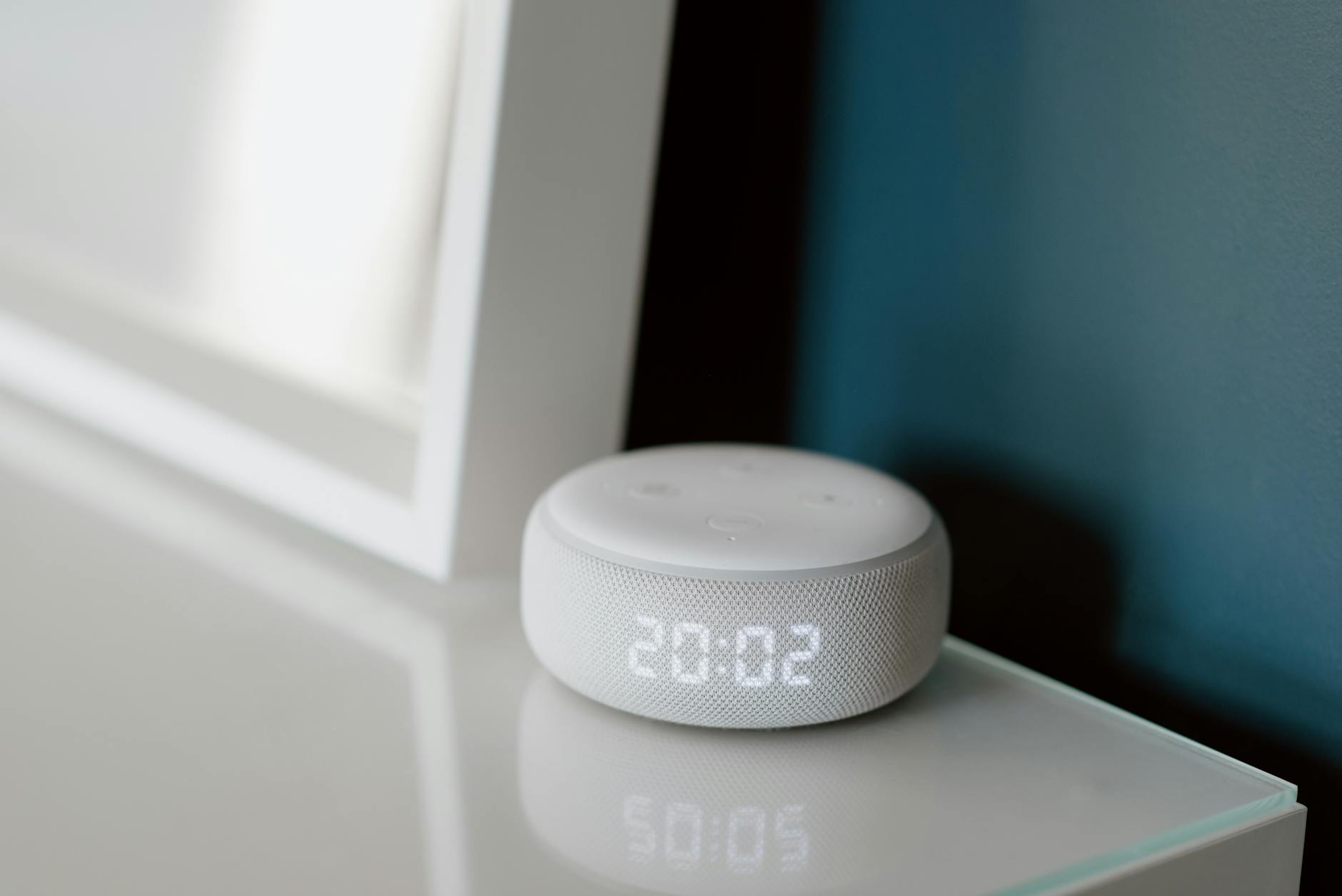
Smart speakers use wake word detection to record audio snippets when activated. These recordings are stored in the cloud. Amazon Alexa voice history, Google Assistant activity, and Siri logs are available through the respective company’s app and through legal process. In multiple criminal cases, Amazon Alexa recordings have been subpoenaed and produced as evidence of what was happening in the home at specific times.
Smart Thermostats (Nest, Ecobee)
Smart thermostats record occupancy patterns and temperature settings with timestamps. They learn and record when the home is occupied. This data is stored in the cloud and can establish whether someone was home at specific times — corroborating or contradicting an alibi.
Smart Doorbells and Security Cameras (Ring, Nest, Arlo)
Doorbell cameras and cloud-connected security cameras record all motion-triggered events. Cloud storage makes this evidence retrievable even if the camera is destroyed or stolen after an incident. Ring’s law enforcement portal provides law enforcement with access to video on request (with or without a warrant, depending on the user’s sharing settings). In civil matters, legal process to the camera manufacturer yields event logs and stored video.
Fitness and Medical Devices
Pacemakers, insulin pumps, CPAP machines, and continuous glucose monitors transmit physiological data to cloud platforms. This data has been used in multiple cases: a defendant’s pacemaker data showed he could not have lifted heavy objects at the time he claimed to be doing so; fitness tracker data contradicted a claimed injury timeline. Fitbit, Garmin, and Apple Health data are obtainable through legal process to the manufacturers.
Smart Appliances and Home Systems
Washing machines, refrigerators, robot vacuums, and home automation systems (Lutron, SmartThings, Home Assistant) log usage events with timestamps. While individually less compelling than smart speakers or cameras, these device logs can provide corroborating timeline evidence.
IoT Forensics Technical Challenges
Proprietary Protocols
IoT devices communicate using dozens of proprietary protocols (Z-Wave, Zigbee, Thread, Matter, Bluetooth LE, proprietary RF). Device-level forensics often requires manufacturer-specific tools or research to understand the data format.
Limited Device Storage
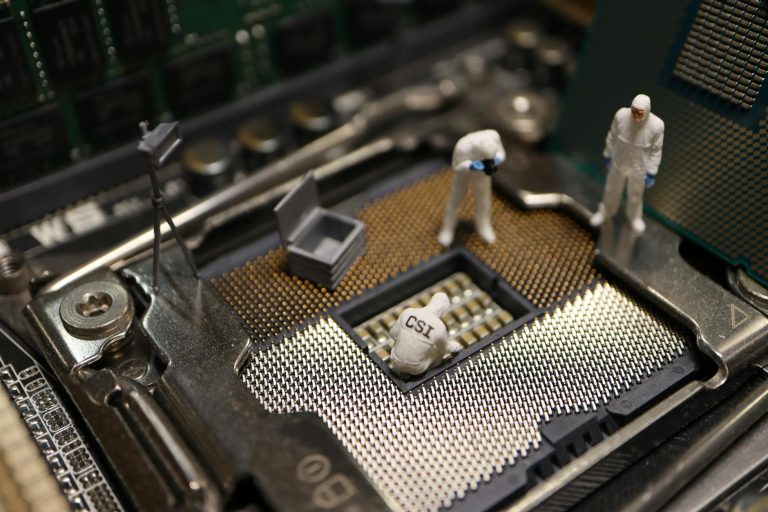
Many IoT devices have minimal local storage and rely on cloud connectivity for data persistence. When the cloud account is the evidence source, legal process is required. If the device’s local storage is the target, micro-embedded storage (NAND flash chips) may require chip-off forensics techniques.
Encryption in Transit and at Rest
Modern IoT platforms use TLS in transit and encrypt stored data. Without the account credentials or a legal process response from the cloud provider, local storage on the device may be unreadable.
Short Retention Periods
Some IoT platforms retain data for short periods (7-30 days) on free tiers. Evidence must be preserved quickly — especially for smart camera footage which may be continuously overwritten.
Legal Process Targets for IoT Evidence
| Device Type | Evidence Source | Legal Process Target |
|—|—|—|
| Amazon Echo | Voice history, device logs | Amazon Records |
| Google Nest | Activity logs, camera footage | Google Legal Process |
| Ring Doorbell | Video recordings, motion logs | Amazon/Ring Records |
| Fitbit | Step, heart rate, sleep data | Google (Fitbit) Records |
| Apple Watch/Health | Activity, health data | Apple Legal Process |
| Nest Thermostat | Occupancy, temperature logs | Google Legal Process |
| CPAP Machine | Usage, therapy data | Manufacturer (ResMed, Philips) |
IoT Evidence in Specific Case Types
Homicide: Smart speaker recordings, door lock access logs, and motion sensor activations can establish who was present in a home and when. This evidence has supported both prosecutions and alibis.
Domestic Violence: Smart home devices can document patterns of behavior — door locks that were engaged from outside when the victim was inside, thermostat events showing occupancy patterns inconsistent with claimed absences.
Insurance Claims: Smart thermostat and occupancy data contradicts claims about when a fire started or whether the property was occupied. Fitness tracker data contradicts claimed injury severity.
Divorce and Custody: Shared home devices can document which parent was home, when devices were used, and patterns of activity that bear on custody disputes.
FAQ
Do smart speaker recordings require a warrant for law enforcement access?
In criminal investigations, a warrant is typically required for the content of smart speaker recordings stored on company servers, as the Third Circuit and other courts have found these communications are protected by the Stored Communications Act. In civil matters, a subpoena to the manufacturer is the appropriate mechanism. Amazon has provided Ring footage to law enforcement without warrants under emergency disclosure provisions in some cases.
How long does Amazon retain Alexa recordings?
Amazon retains Alexa voice recordings indefinitely unless the user deletes them through the Alexa app. Users who actively delete their voice history may have limited historical data available, but they may not delete recordings associated with an open legal hold.
Can IoT device evidence be challenged as unreliable?
IoT devices have documented accuracy issues, synchronization errors, and software bugs that can affect the reliability of their logs. Time synchronization errors (the device’s clock drifting from actual time) are common and must be accounted for in forensic analysis. Expert testimony about the specific device’s known reliability issues is important when IoT evidence is central to a case.
IoT device forensics for your investigation?
Octo Digital Forensics investigates smart home, fitness device, and connected vehicle evidence for legal proceedings. Cloud legal process support, device-level extraction, and expert witness testimony available.
Visit [octodigitalforensics.com](https://octodigitalforensics.com).
See also: Nft Fraud Forensics | Tiktok Forensics | Employment Investigation Forensics
Need Professional Digital Forensics?
Octo Digital Forensics provides expert mobile forensics, data recovery, and digital investigation services for attorneys, insurance companies, and private investigators. Court-admissible reports. Certified examiners.
Contact: octodf.com | info@derickdowns.com | (858) 692-3306